Journalists face burnout amid nonstop news cycle Why news avoidance may be a bigger threat than misinformation Seven evidence-based media predictions for Pakistan and beyond in 2026 Dawn calls life sentences for journalists an extreme move Arab journalists pledge cooperation to defend media freedom Palestinian rights group flags press access limits Silencing an article in Pakistan makes it louder When telling the story becomes a crime: A warning shot for Pakistani journalism Breaking news alerts then and now: from urgency to overload AI reduces publisher traffic but not newsroom jobs, study finds Palestinian journalists face a wave of detentions in 2025 Journalists face burnout amid nonstop news cycle Why news avoidance may be a bigger threat than misinformation Seven evidence-based media predictions for Pakistan and beyond in 2026 Dawn calls life sentences for journalists an extreme move Arab journalists pledge cooperation to defend media freedom Palestinian rights group flags press access limits Silencing an article in Pakistan makes it louder When telling the story becomes a crime: A warning shot for Pakistani journalism Breaking news alerts then and now: from urgency to overload AI reduces publisher traffic but not newsroom jobs, study finds Palestinian journalists face a wave of detentions in 2025
Logo
Janu
Unlocking the secrets of the media industry

Hamid Mir writes against PMDA in Washington Post

 JournalismPakistan.com |  Published: 23 August 2021

Join our WhatsApp channel
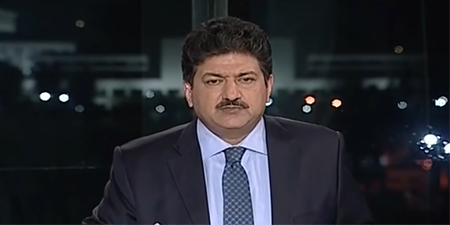
Hamid Mir writes against PMDA in Washington Post
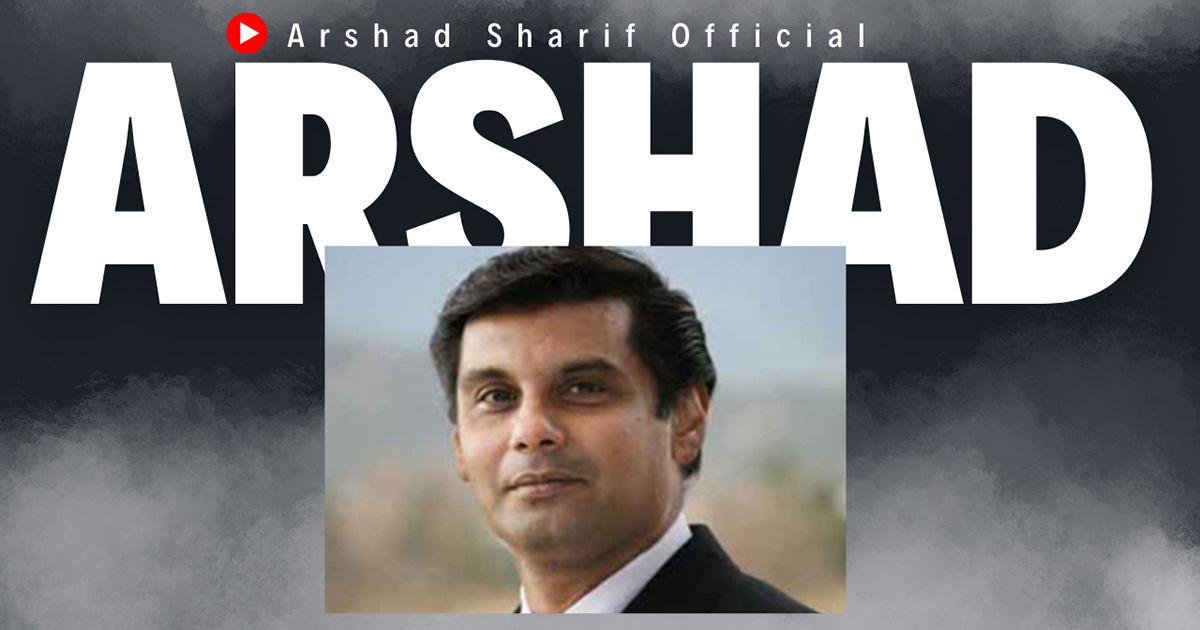
Hamid Mir's article in the Washington Post raises concerns about the new Pakistan Media Development Authority proposed by Imran Khan's government. He argues that this law threatens press freedom and could lead to increased censorship in the country.

ISLAMABAD—Although Pakistan is a democracy, journalists now fear that a crackdown on the media is in the offing, prominent journalist Hamid Mir wrote in an article titled: "The Pakistani media faces a new crackdown" published in the Washington Post.

"The government of Imran Khan is moving ahead with a law to create a new media regulator, to be called the ‘Pakistan Media Development Authority,’ to oversee mainstream and social media," he wrote.

"The million-dollar question is this: Why does Imran Khan need a new regulatory body for the media, and why is the journalistic community so united against it," Mir asked, adding that "The proposed law is just the latest stage of an effort to impose state control over all segments of the media by creating an overcentralized body to be headed by a top bureaucrat of the information ministry."

"According to the new law, all media outlets including social media platforms will require an annual waiver from the government to remain operational. Failure to comply will result in suspension and other penalties. For the first time in Pakistan’s history, special media regulatory authority will be introduced to punish “offenders” from the media with three years’ imprisonment and fines amounting to 25 million Pakistani rupees ($152,000 in U.S. dollars)."

"Yet, journalists can hardly be blamed for suspecting that this law is yet another attempt to legalize censorship. Many analysts think that the new proposed law does not bode well for democracy and that the Pakistani media is entering a new dark age," he noted.

Mir emphasized that Pakistan needs strong and free media to fight the growing threat of extremism. According to him, “Media martial law” will only help those who can’t tolerate the pictures of Malala in our schoolbooks and who don’t want to see democracy in Pakistan flourish. The talk of an impending dark age for the media looks more justified by the day, he concluded.

KEY POINTS:

  • Hamid Mir criticizes the formation of the Pakistan Media Development Authority.
  • The new law requires annual waivers for media outlets to operate.
  • Failure to comply with the law could result in severe penalties.
  • The proposed law is seen as a threat to democracy and press freedom in Pakistan.
  • Mir emphasizes the need for a strong media to combat extremism.

Explore Further

Newsroom
Journalists face burnout amid nonstop news cycle

Journalists face burnout amid nonstop news cycle

 January 05, 2026 Growing burnout among journalists in the relentless 24/7 news cycle is affecting their mental health, job satisfaction, and retention, driven by stress stemming from excessive workload, long hours, and constant connectivity.


Arab journalists pledge cooperation to defend media freedom

Arab journalists pledge cooperation to defend media freedom

 January 04, 2026 Arab journalist unions from Jordan and Egypt announce deeper cooperation on training and advocacy, stressing media freedom and the role of Arab media in shaping global narratives.


Palestinian rights group flags press access limits

Palestinian rights group flags press access limits

 January 03, 2026 The Palestinian Centre for Human Rights highlights ongoing restrictions on journalists in occupied territories, impacting press freedom and humanitarian reporting.


Breaking news alerts then and now: from urgency to overload

Breaking news alerts then and now: from urgency to overload

 January 03, 2026 The evolution of breaking news alerts highlights a shift from rare, trusted updates to frequent notifications that contribute to audience fatigue.


AI reduces publisher traffic but not newsroom jobs, study finds

AI reduces publisher traffic but not newsroom jobs, study finds

 January 02, 2026 A study reveals that AI has reduced traffic to news publishers but not job levels, challenging fears of mass layoffs in journalism.


Popular Stories