
.png)
Watchdog's version of Elections 2013
JournalismPakistan.com | Published: 13 May 2013 | Fakiha Hassan Rizvi
Join our WhatsApp channel
The Elections 2013 in Pakistan witnessed significant voter engagement and a shift in media coverage. Various television channels played pivotal roles, influencing public perception during the elections.Summary
LAHORE: The much coveted elections were conducted on the proposed date and with an overwhelming voter turnout. Ultimately, the lions roared, taking the leverage from the citadel of Punjab province and the bat swept prominently in the valleys of Khyber Pakhtoonkhwa. Pakistan People's Party Parliamentarians (PPPP), except for the province of Sindh, limped in other parts of the country.
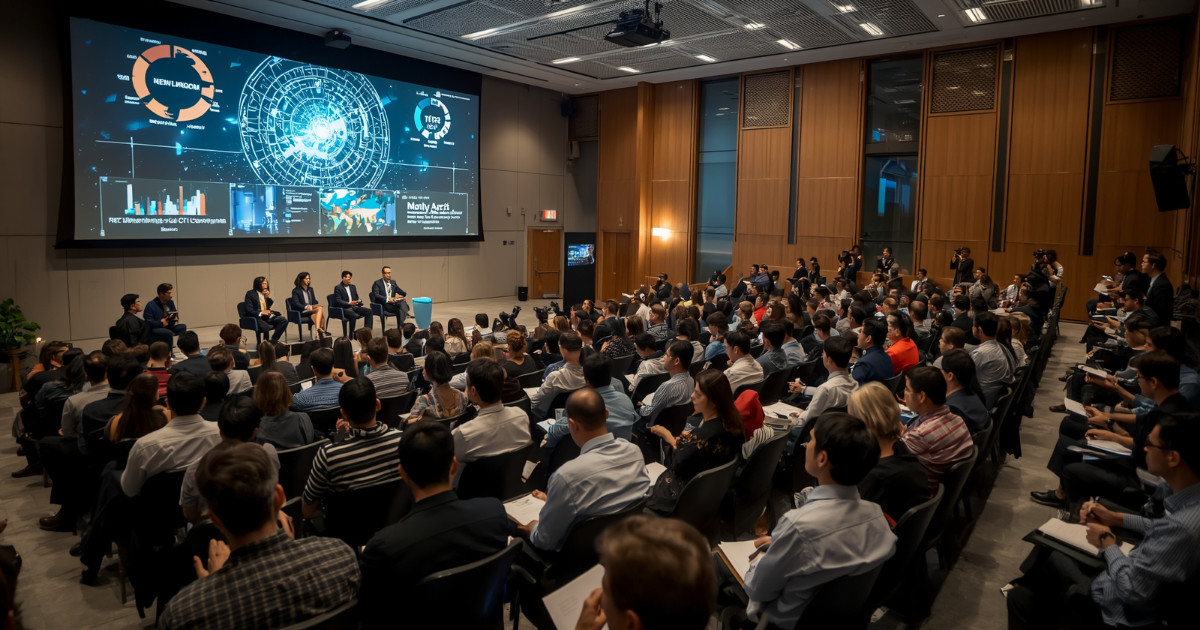
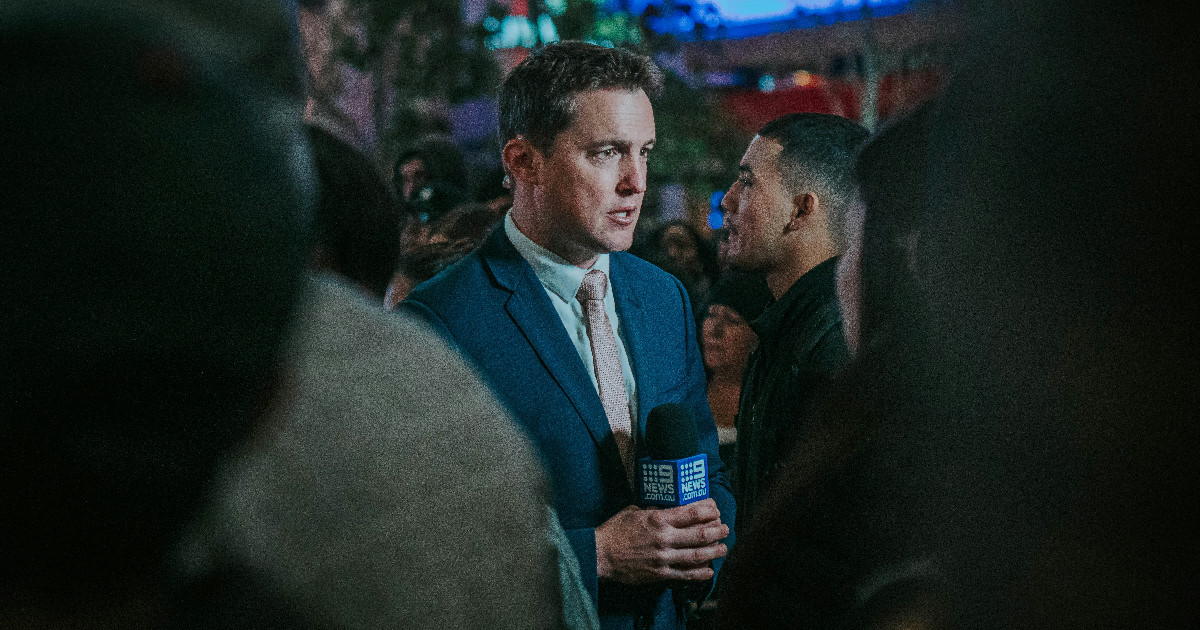
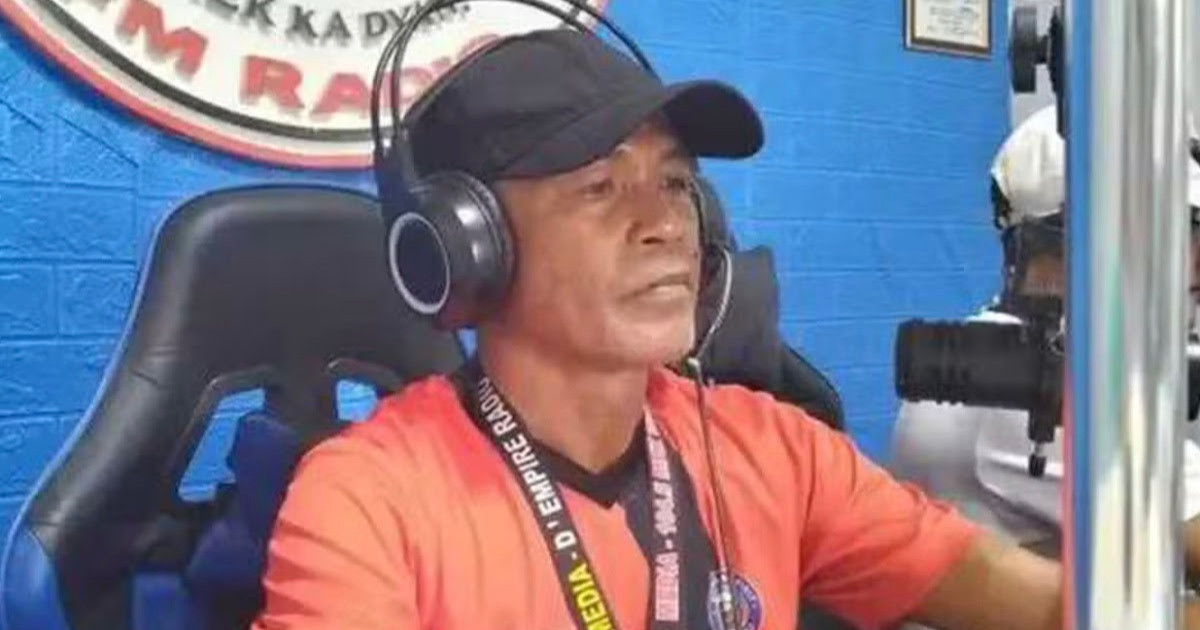
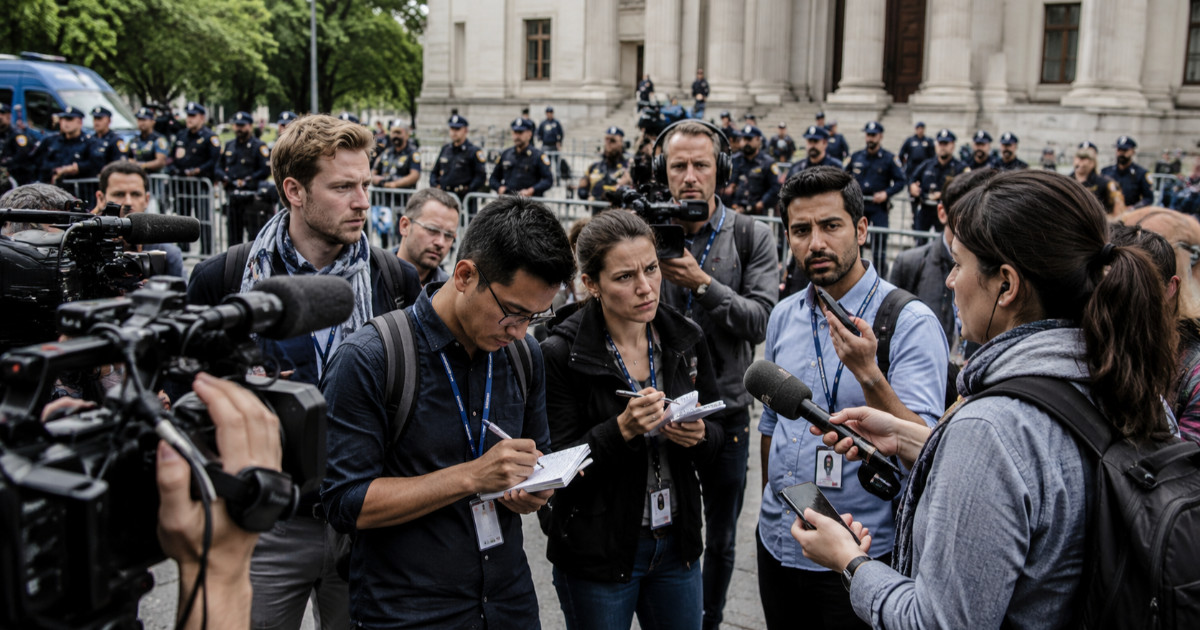
Amidst all the hassle of electioneering, counting of votes and the overall coverage of the 'Election Day', the role of media had been worthwhile and interesting at the same time. It was, perhaps, the only election in the political history of Pakistan, to which the media gave ample time and space. The pre-planned structure of General Elections, a relatively viable socio-political environment and the mushrooming of private television channels, together, contributed to lend the elections better media coverage.
On May 9, 2013, it was GeoTV that inaugurated an emotionally-charged election headquarters with Iqbal's poem (Lab pai ati hai dua ban kai tamana mairee- My longing comes to my lips as a supplication of mine) with the entire Geo and Jang network vowing to give credible coverage of Elections 2013 to its viewers.
The entire set of Geo studio was transformed, in order to make the elections a special occasion for the nation. Both political analysts and public figures were invited to share their expert opinions about the elections. Such headquarters were the only one of its kind in the 'mass media time line' of Pakistan. This channel swung its coverage in favor of PTI the day Imran Khan fell and the nation commiserated with the captain. Such a U-turn must have been a surprise for supporters of PML-N who were enjoying favorable media coverage from Geo network days before the unfortunate incident overtook PTI's chairman.
Dunya TV adopted an anti-PML-N stance right from the beginning of election campaign. It was apparently involved in a cut-throat competition with Geo network to declare unofficial results of the 'vote-count'. The state television, PTV, took a proper route to announce unofficial results. Unlike the other private channels, the satellite based PTV didn't announce results before the time for casting votes ended. Interestingly, during the bombardment of unofficial results, the Election Commission of Pakistan (ECP) reminded the media outlets that they were violating the rules by declaring results before the polling closed.
However, the intriguing aspect was that electoral malpractices and cases of rigging were first reported through the social media. For instance, the most trending topics for the social information network, 'Twitter', were #NofearKhi and #DisqualifyMQM followed by #rigging and #Saad Rafiq.
The blast in NA-1, Peshawar that claimed the life of 11 people, was first reported by citizen journalists through websites like Facebook. The citizen journalists effectively used tools of communication like Internet and Smart phones to collect and report data. An interesting and healthy campaign, 'iVoted', published pictures of people with stained thumbs to show that Pakistanis were cognizant about their social obligation of casting votes.
It can be concluded that in the future, election coverage will be a battle between social media versus conventional media. On the other hand, watchdog's version of Elections 2013, can be compared to a canvas, which every television channel wanted to stain first without paying much heed to rules and credibility.
(The writer is a BS Mass Communication student at the University of the Punjab, Lahore and blogs at www.fakihahassanrizvi.
Key Points
- Elections held with high voter turnout on May 9, 2013.
- Media coverage was extensive and influential in shaping perceptions.
- Geo TV and Dunya TV exhibited contrasting editorial slants.
- Social media played a critical role in reporting electoral malpractices.
- Future elections may see more competition between traditional and social media.
Relevant Topics
Ask AI: Understand this story your way
AI EnabledDig deeper, ask anything — get instant context, background, and clarity.
Disclaimer: This feature is powered by AI and is intended to help readers explore and understand news stories more easily. While we strive for accuracy, AI-generated responses may occasionally be incomplete or reflect limitations in the underlying model. This feature does not represent the editorial views of JournalismPakistan. For our full, verified reporting, please refer to the original article.