

Silent Acceptance: Pakistani news channels bow to censorship, viewership declines
JournalismPakistan.com | Published: 11 July 2023 | Observer
Join our WhatsApp channel
Recent incidents in Pakistan highlight worsening censorship in the media sector, leading to job losses and restricted reporting. Viewership declines indicate a shift towards alternative news sources as audiences search for unbiased information.Summary
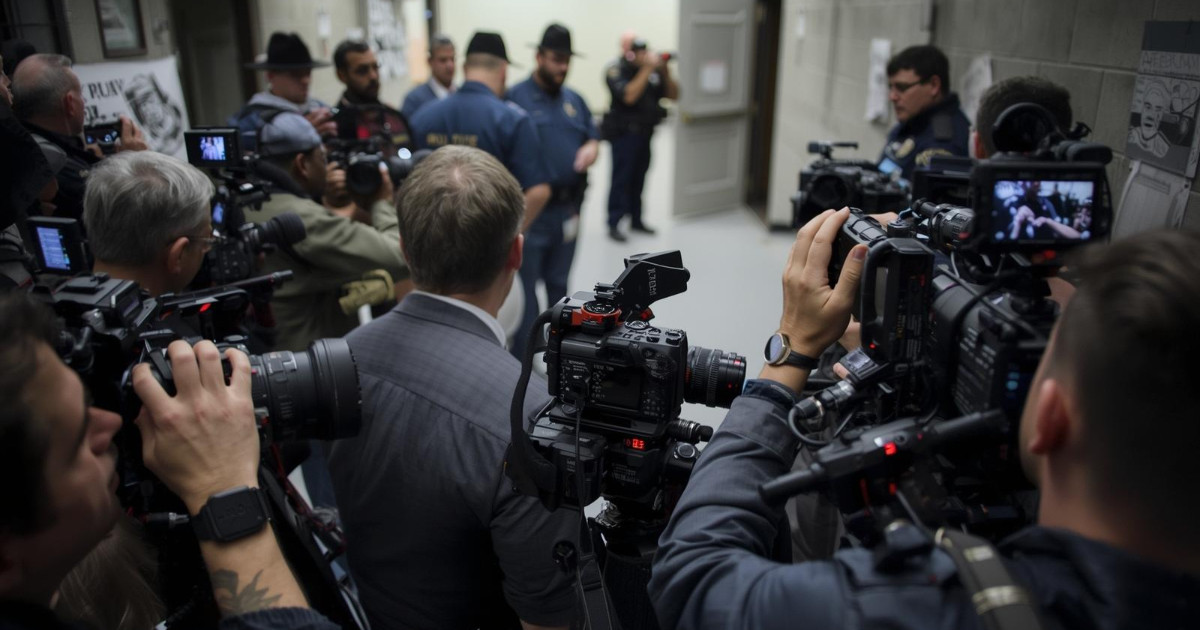
ISLAMABAD—Recently, Pakistan's media landscape has witnessed a series of incidents that showcase a worrying trend of shrinking press freedoms and increased censorship. These incidents raise questions about free speech and pose significant challenges to journalistic integrity and independence.
Media censorship has become a pressing issue in the country, from dismissing a senior journalist for asking a probing question to blurring images and muting references.
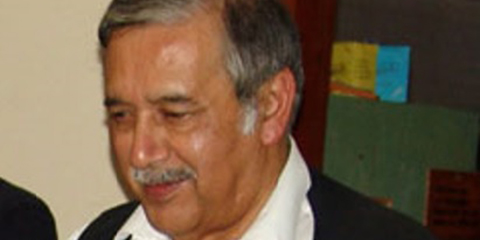
- Asking the Uncomfortable: Journalist loses job over questioning freedom of speech in a troubling incident. Azam Chaudhry, a senior journalist, and president of the Lahore Press Club, faced the consequences of questioning Pakistan's diminishing space for freedom of speech. After posing a vexing question to Prime Minister Shehbaz Sharif during a press conference, Chaudry was abruptly informed that his services were no longer required at Pakistan Television (PTV), where he served as a contract employee. This incident highlights the repercussions journalists face who dare to challenge the status quo and raise uncomfortable but essential questions.
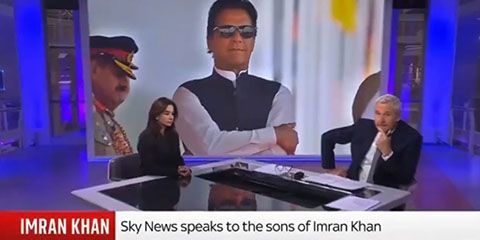
- Media Muzzled: Censorship continues as channels blur images. The recent actions of ARY News TV and Dunya News TV underscore the extent of censorship in Pakistani media. ARY News TV blurred the image of former Prime Minister Imran Khan during his meeting with a representative of the International Monetary Fund (IMF).
- A TV channel mutes a prominent analyst's reference to the Vigo Pickup. Dunya News TV muted prominent analyst Ayaz Amir's reference to the Vigo Pickup—a term often linked to intelligence agencies and their involvement in abductions and kidnappings. These incidents exemplify the limitations imposed on media outlets, with channels even facing restrictions on mentioning Imran Khan's name in talk shows and news bulletins.
The cumulative effect of these recent incidents, coupled with previous censorship, paints a concerning picture of press freedoms in Pakistan. Such curbs on free speech stifle the media's ability to hold those in power accountable and hinder the public's right to access diverse viewpoints and information.
Regrettably, in mounting censorship, numerous news channels have chosen to remain silent and accept the constraints imposed upon them rather than raising their voices in protest. This unwillingness to challenge censorship has had detrimental effects on the industry, leading to declining viewership as disillusioned audiences seek unbiased views and news from international media outlets and social media platforms. With limited avenues for unbiased information within the local media, many viewers are turning to alternative sources to access diverse perspectives and untainted reporting. This shift highlights the erosion of trust in domestic news channels. It underscores the importance of a robust and independent media sector that upholds the principles of freedom of expression and provides objective coverage to the public.
The erosion of press freedoms poses significant challenges to democracy and transparency, calling for urgent attention and action. Journalists, civil society organizations, and advocates for free speech must voice their concerns and demand safeguards to protect media independence and the right to express dissenting opinions.
Pakistan's government and regulatory bodies must address these pressing issues and uphold the principles of free speech and a free press. Preserving and expanding press freedoms will contribute to a more informed and democratic society, where diverse voices can be heard and critical analysis can thrive.
In the face of mounting challenges, it becomes imperative for the media community and society to safeguard the values of press freedom, champion the right to express dissenting opinions, and collectively work towards creating a vibrant and independent media landscape in Pakistan.
KEY POINTS:
- Censorship in Pakistani media is rising, affecting press freedoms.
- Senior journalist Azam Chaudhry lost his job for questioning freedom of speech.
- News channels like ARY and Dunya News have blurred or muted references to sensitive topics.
- Viewership is declining as audiences seek information from international media.
- Urgent action is needed to protect journalistic integrity and free speech.