Latest Stories
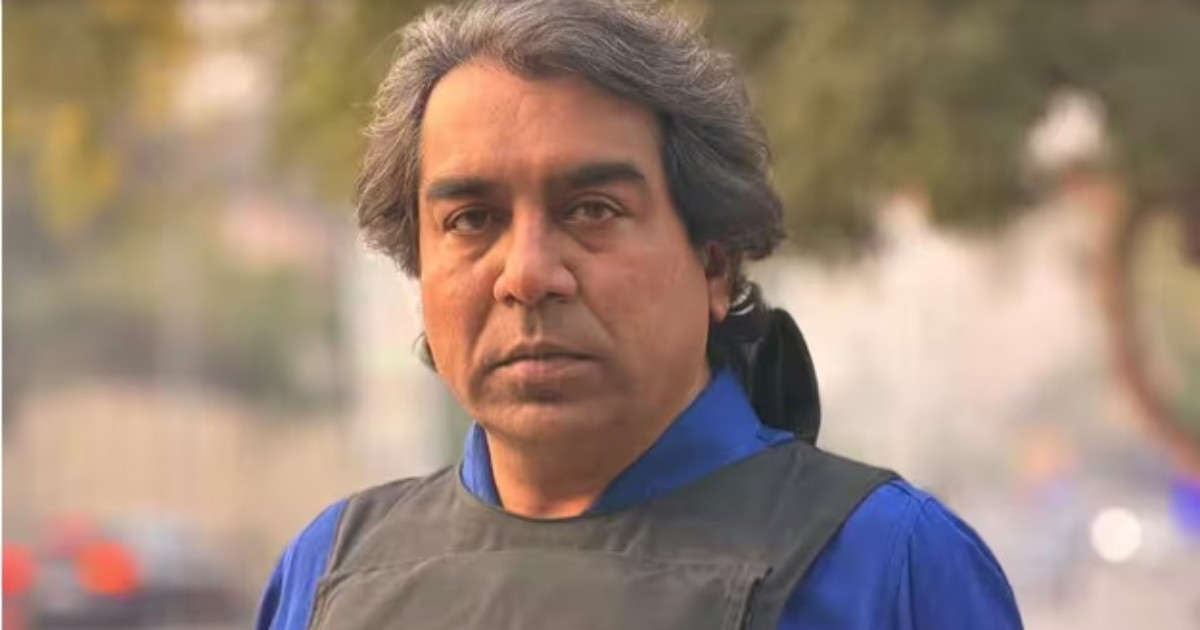
Amar Guriro: Journalism's future is human-AI partnership
—



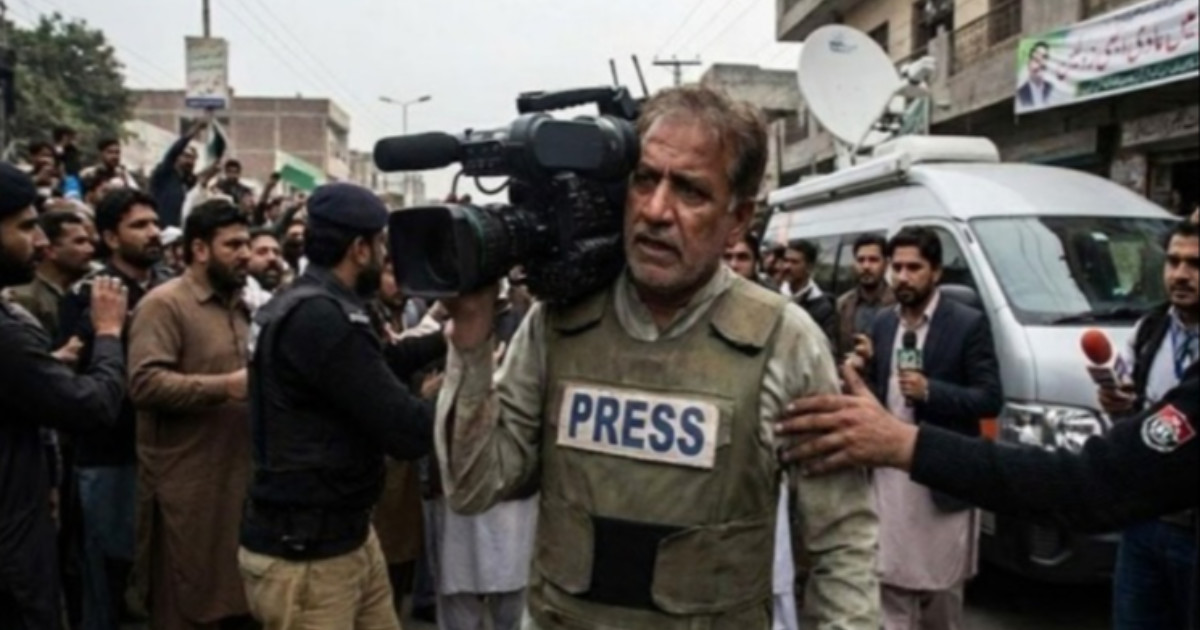
— Pakistani camerapersons face serious risks covering floods, protests and attacks, often without training, protective gear or employer support.
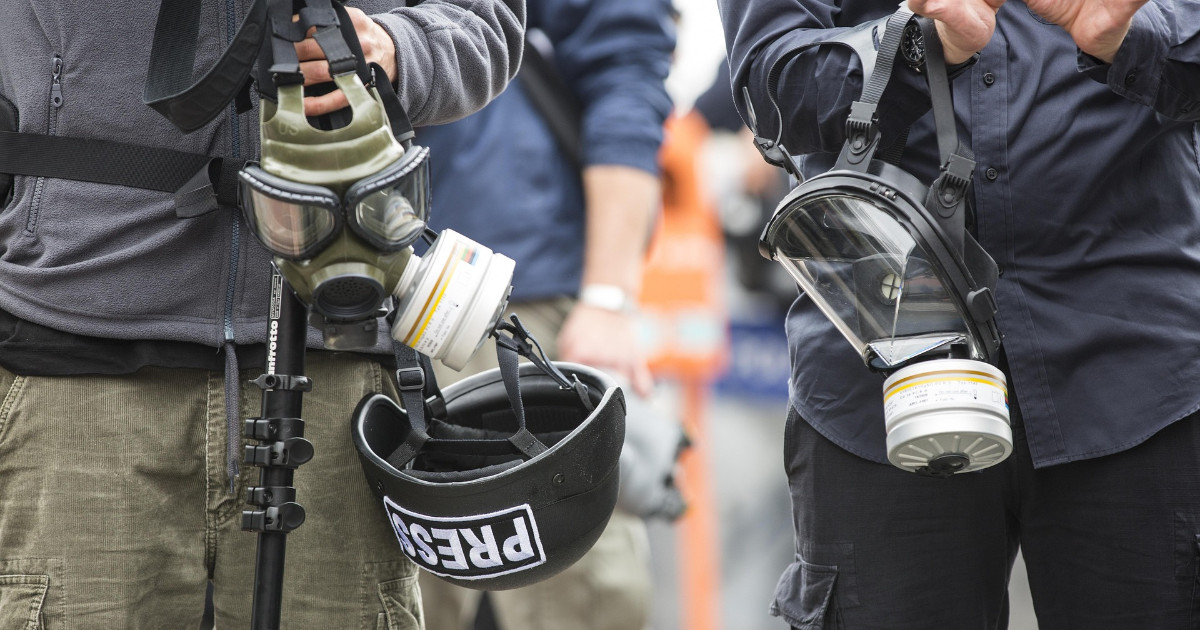
— Journalists in conflict zones face rising danger as combatants, states and militias increasingly target independent reporting to control narratives.
— The 60 Minutes controversy at CBS exposes tensions over leadership, editorial independence and pressures on legacy TV journalism amid political polarization.
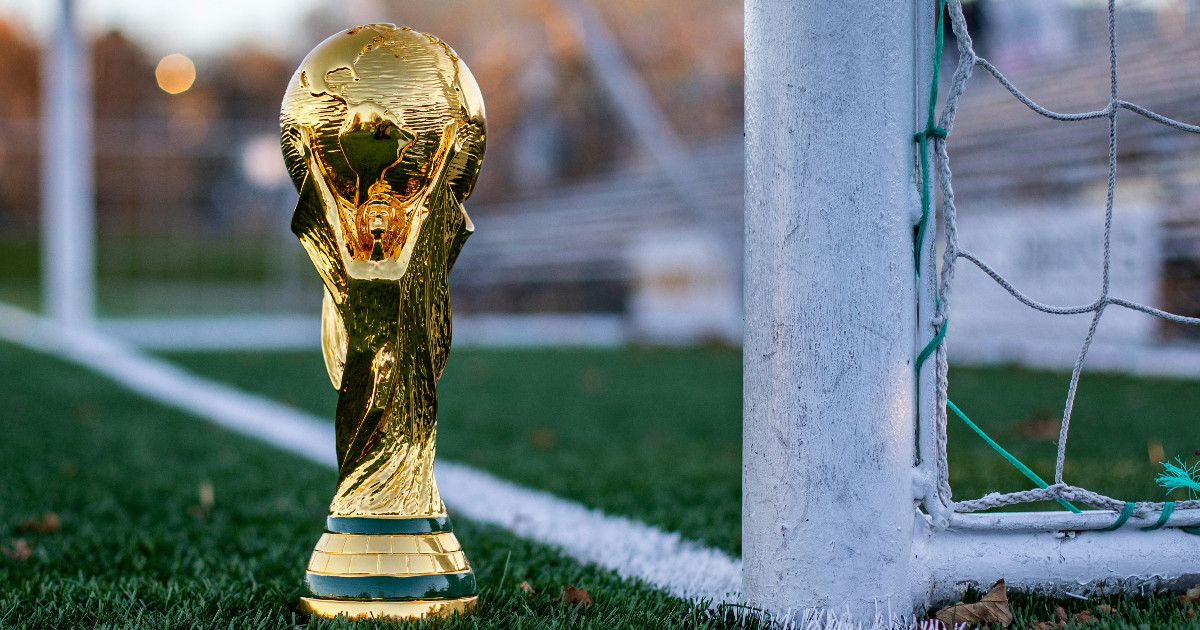
— Zee Entertainment has secured broadcasting and digital rights in India for the 2026 and 2030 FIFA World Cups, reshaping the country's sports media landscape.
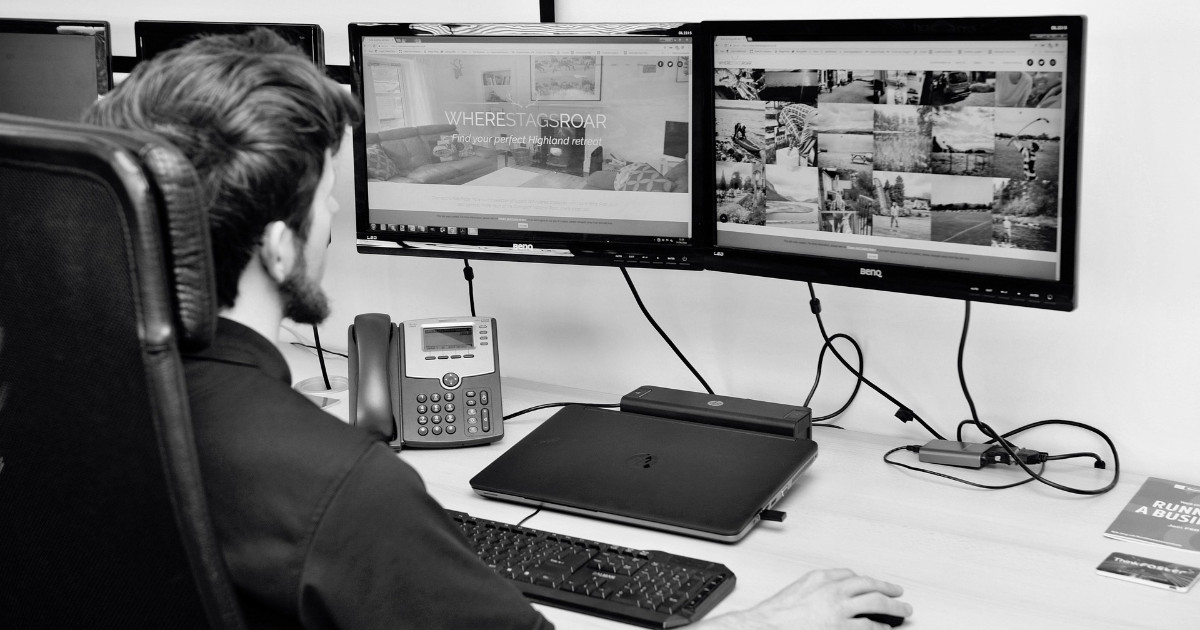
— Fact-checkers use source tracking, metadata, visual analysis and geolocation to verify whether viral videos in breaking news are authentic and timely.
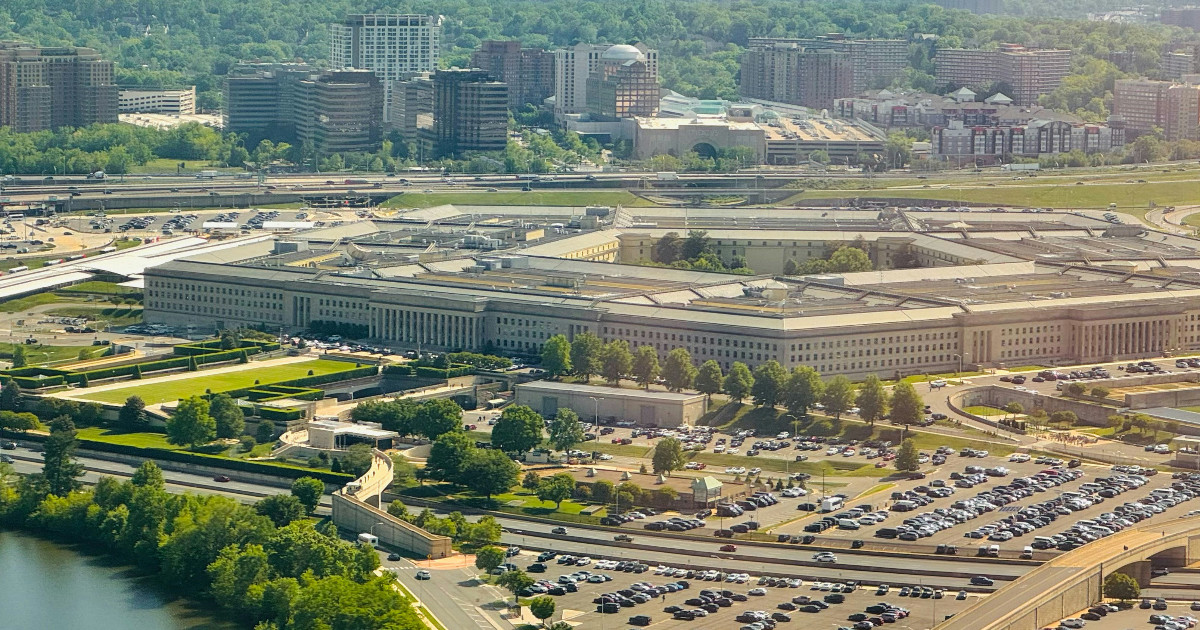
— New Pentagon rules requiring official escorts for reporters in some areas have drawn criticism from press groups and major news organizations over transparency.
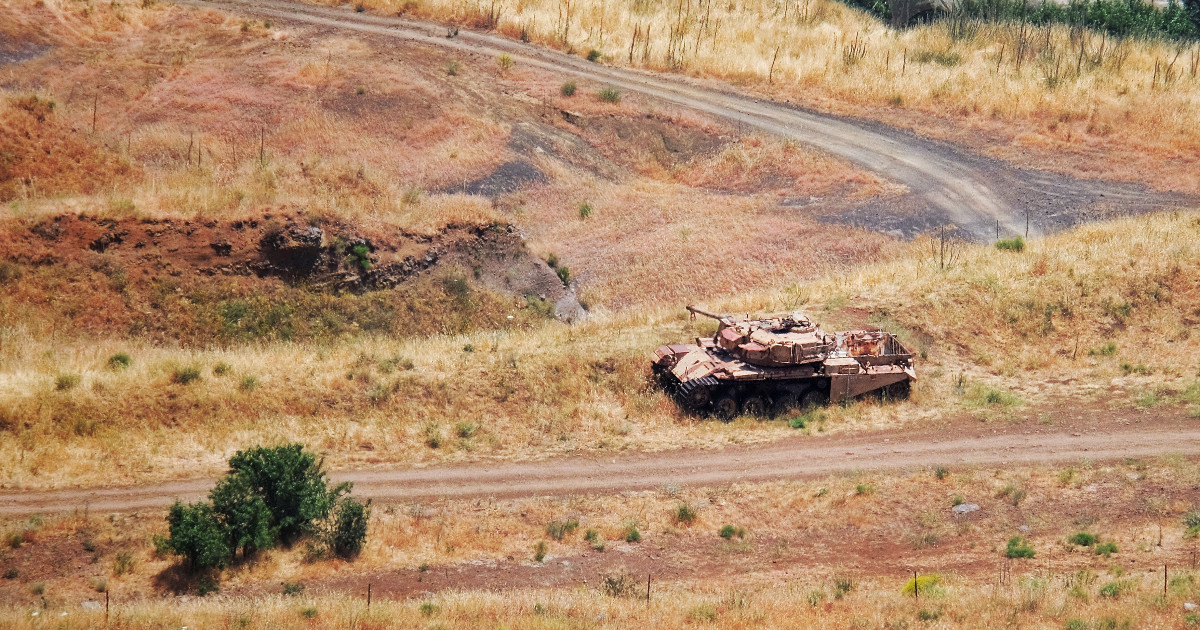
— Israeli and Lebanese officials began talks in Washington as cross-border fighting and airstrikes along the border hinder journalists' reporting.
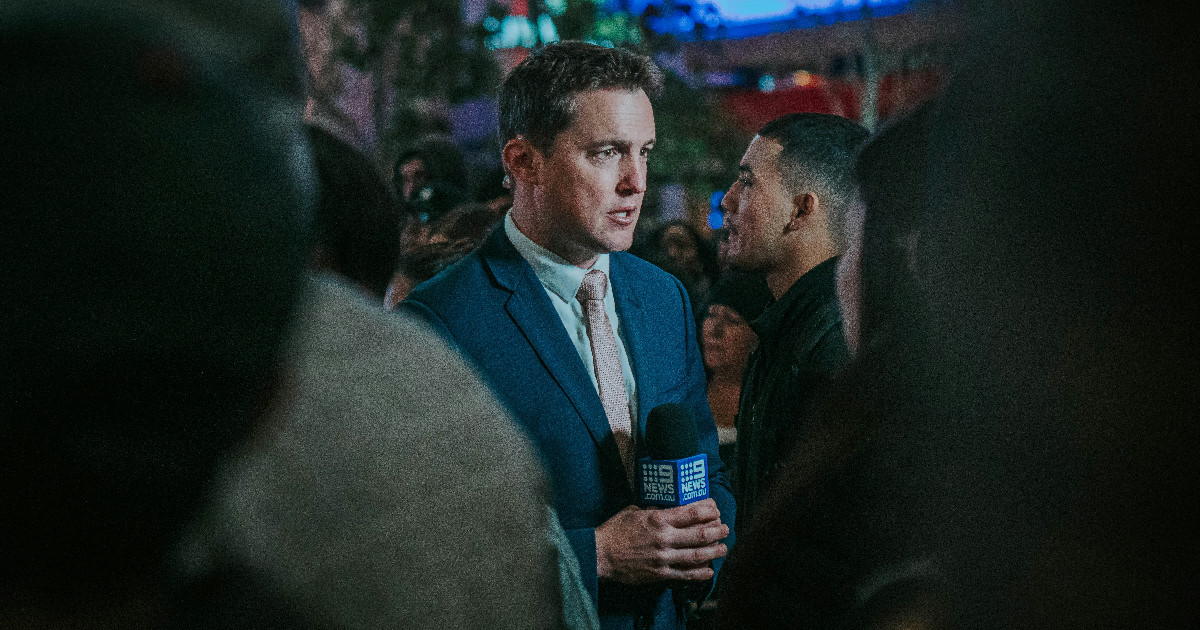
— Governments are tightening controls on foreign journalists with visa limits, accreditation hurdles, expulsions and surveillance, citing security and public order.
Dive in for more stories
— Pakistani camerapersons face serious risks covering floods, protests and attacks, often without training, protective gear or employer support.

— May showed Pakistan's media under pressure from cybercrime enforcement, legal cases, newsroom layoffs and salary delays, plus tightened access for journalists.
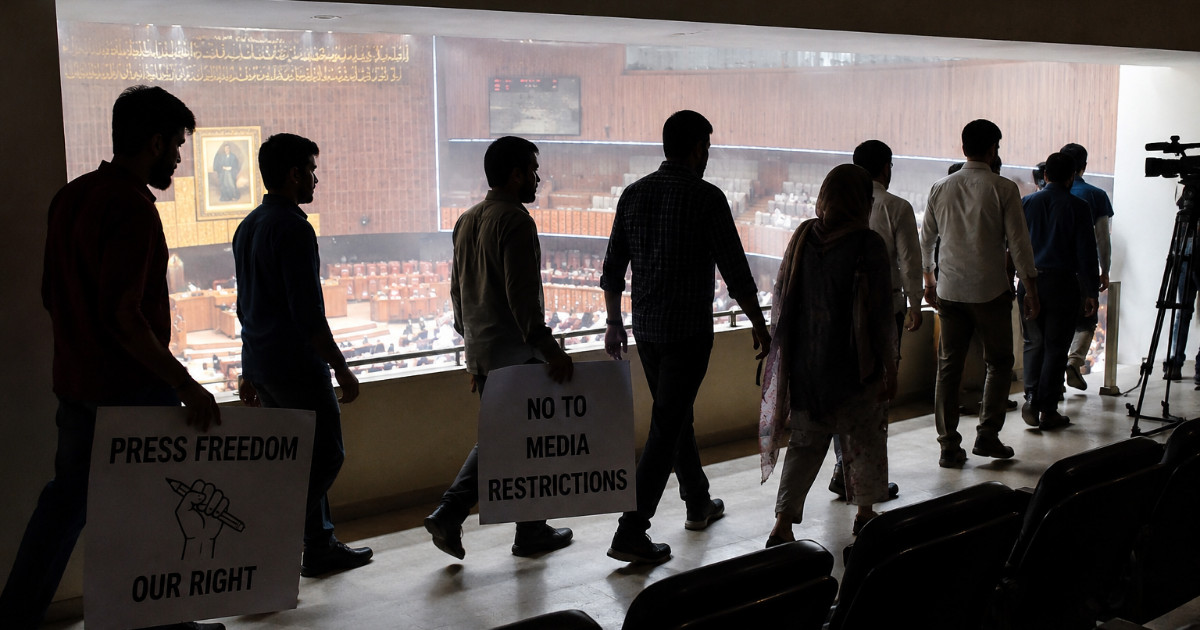
— Journalists walked out of the Parliament press gallery after claims that a Geo News reporter was barred from covering proceedings after questioning Bilawal.
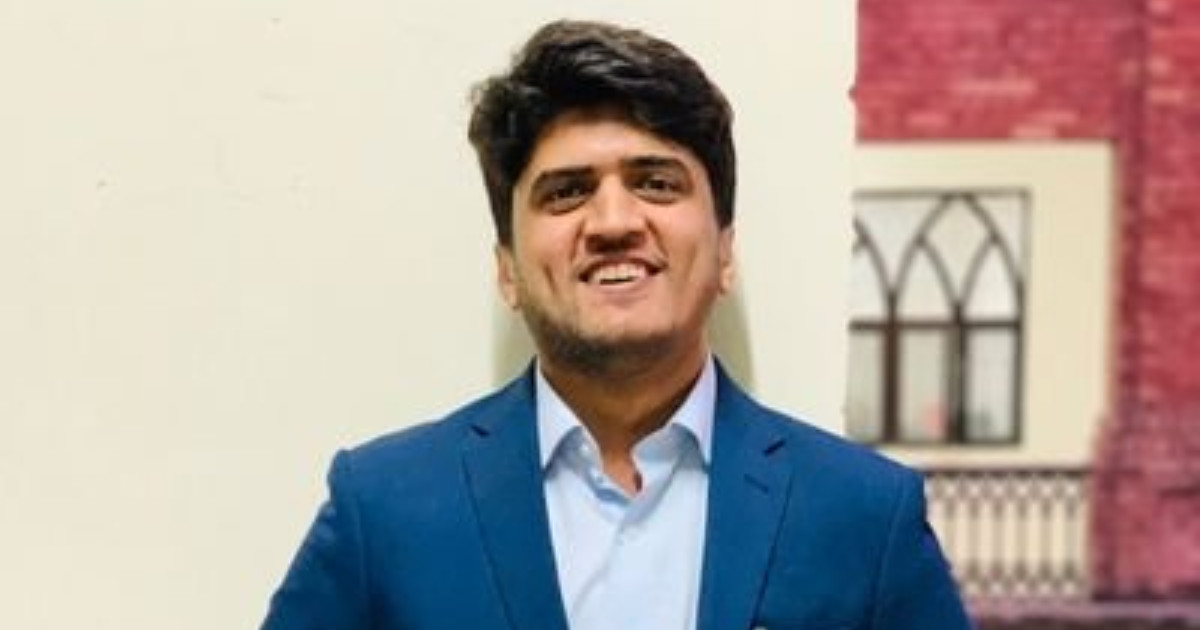
— Journalist Muhammad Saad was released after weeks in custody in a counterterrorism case; he thanked supporters and said he would not comment on the legal matter.
See more
— Amar Guriro, founder of Pakistan's first AI-powered news platform, says journalism's future rests on human-AI collaboration to improve reporting while preserving editorial oversight.
— New Pentagon rules requiring official escorts for reporters in some areas have drawn criticism from press groups and major news organizations over transparency.
— The 60 Minutes controversy at CBS exposes tensions over leadership, editorial independence and pressures on legacy TV journalism amid political polarization.
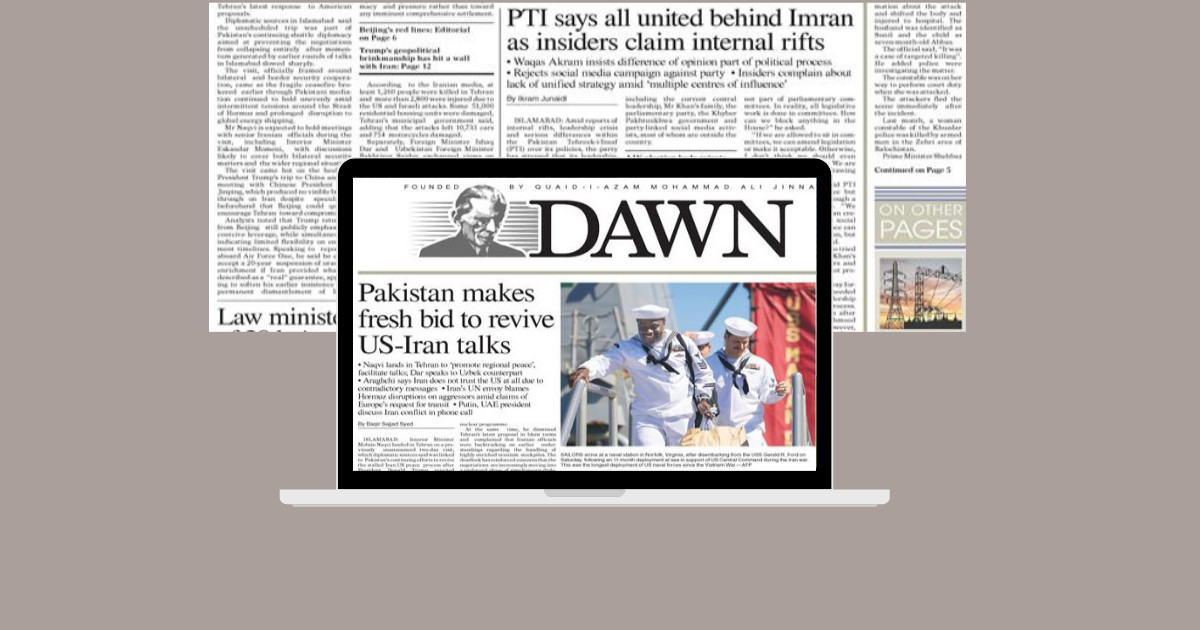
— Dawn has raised the cover price of its daily and Sunday editions by Rs10 amid rising operational costs and inflation, adding Rs300 to reader expenses.
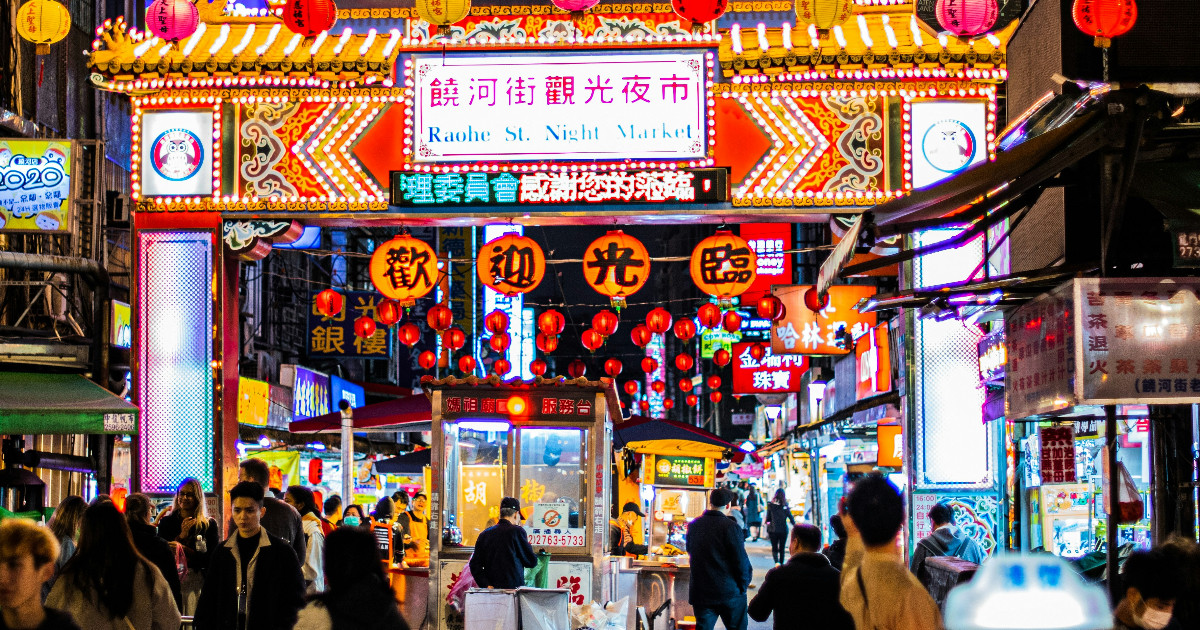
— Taiwan condemned China after reports that New York Times correspondent Vivian Wang was expelled related to a Lai Ching-te interview, raising concerns about press freedom.
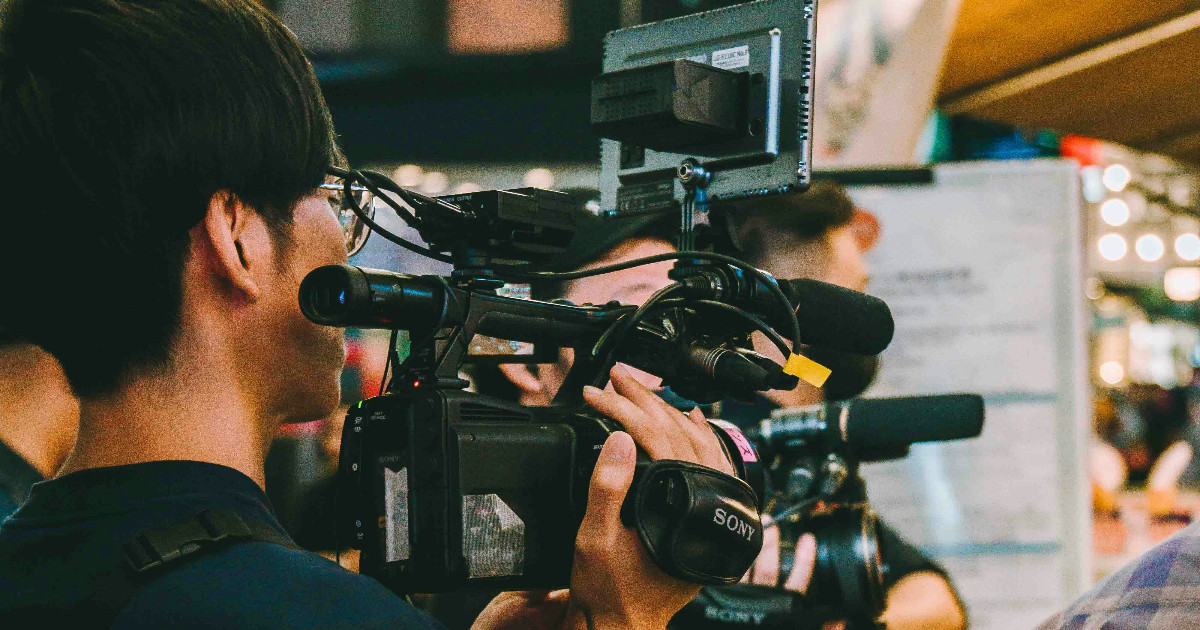
— Asia's journalism faces AI-driven false content, economic and political pressure, eroding public trust, forcing newsrooms to tackle deepfakes and automation.
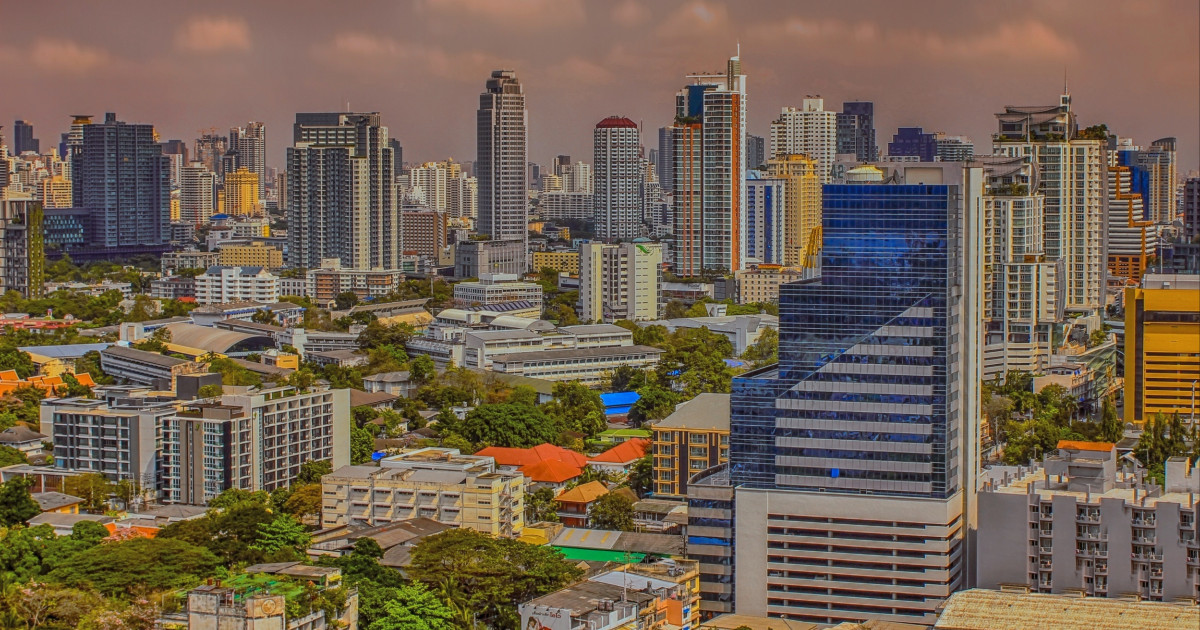
— N3Con 2026 opens in Bangkok to bring Asia's journalists and media leaders to examine how AI, misinformation and financial strain are reshaping newsrooms.
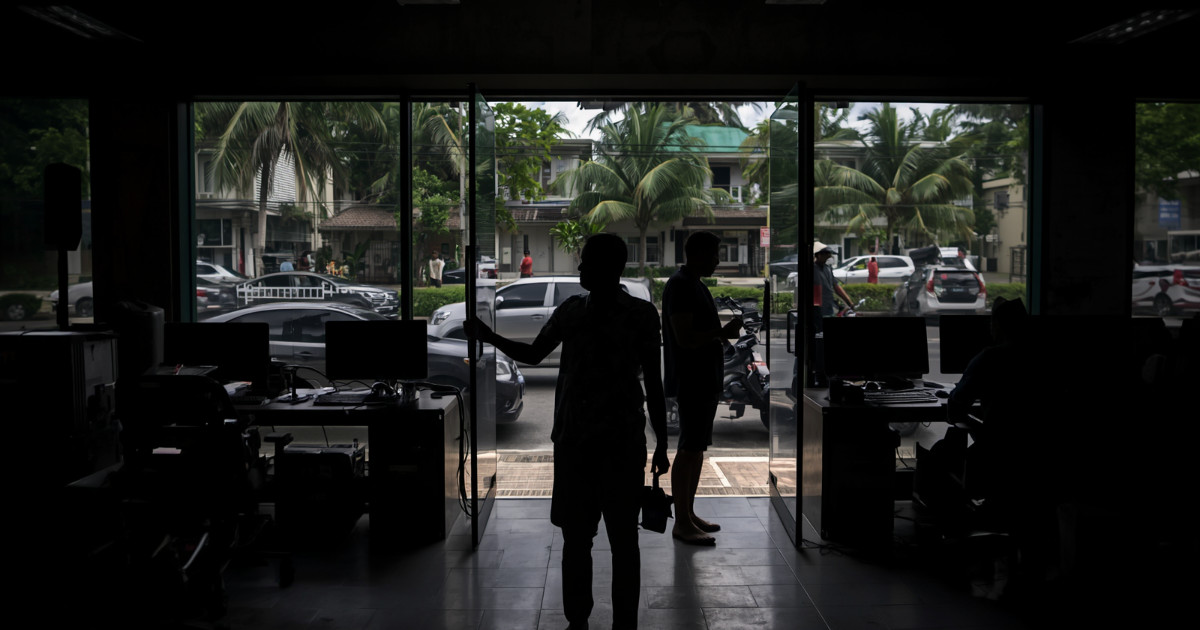
— Maldives Independent held a 12-hour blackout to protest the jailing of two Adhadhu reporters and alleged legal actions and raids that threaten press freedom.
Discover more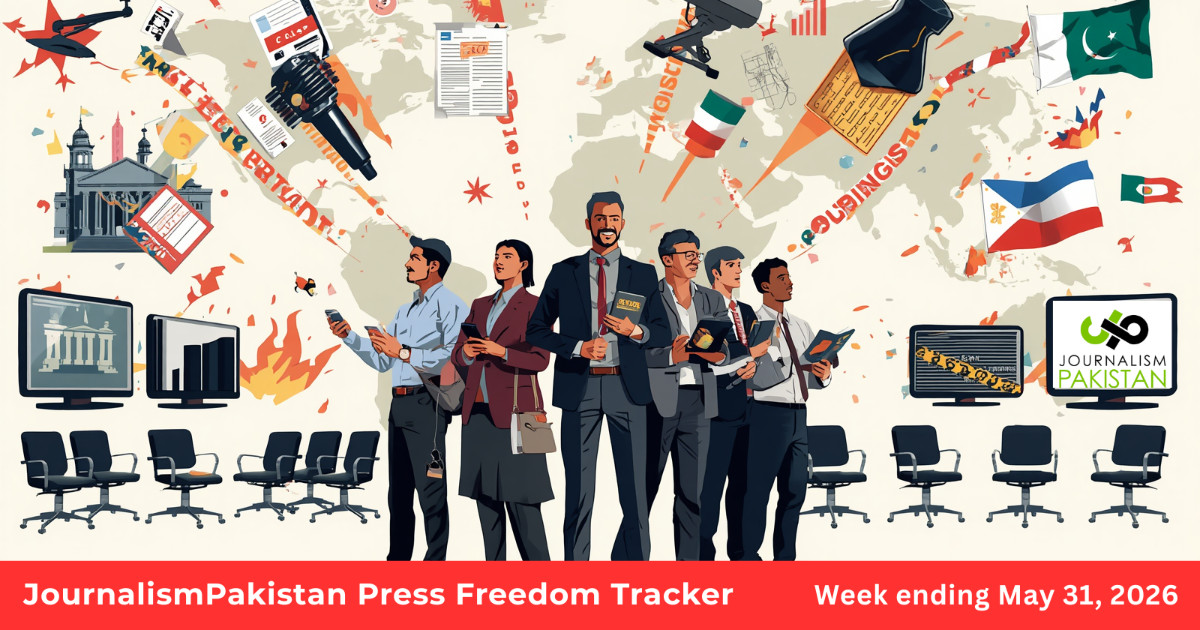
— Global pressures on press freedom are growing: journalists face killings, legal penalties, layoffs and salary delays, while new state restrictions increasingly hinder independent reporting.

— Scroll depth is becoming a central engagement metric that platforms use to rank and promote content, shaping newsroom tactics and raising concerns.
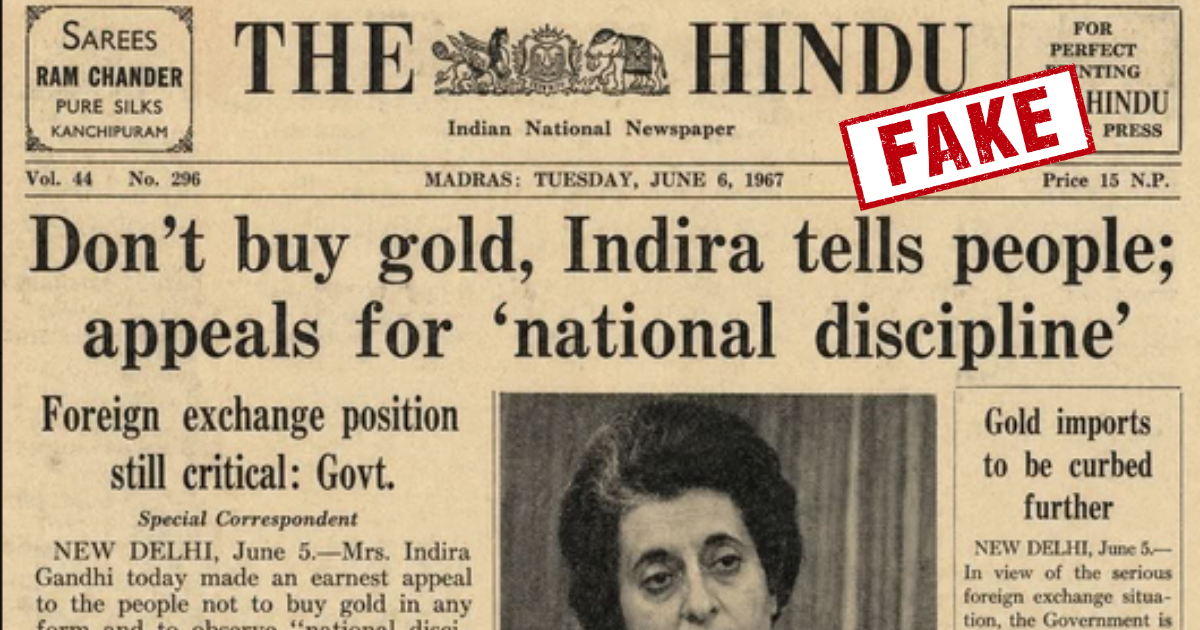
— A fabricated 1967 front page claiming to be The Hindu spread on social media, exposing risks of AI-generated misinformation and archival image manipulation.

— Global Media Brief reviews pressures reshaping journalism, press freedom, AI and platform power, and reports BBC's Emmy, 60 Minutes turmoil and Taiwan's protest.
— Israeli and Lebanese officials began talks in Washington as cross-border fighting and airstrikes along the border hinder journalists' reporting.
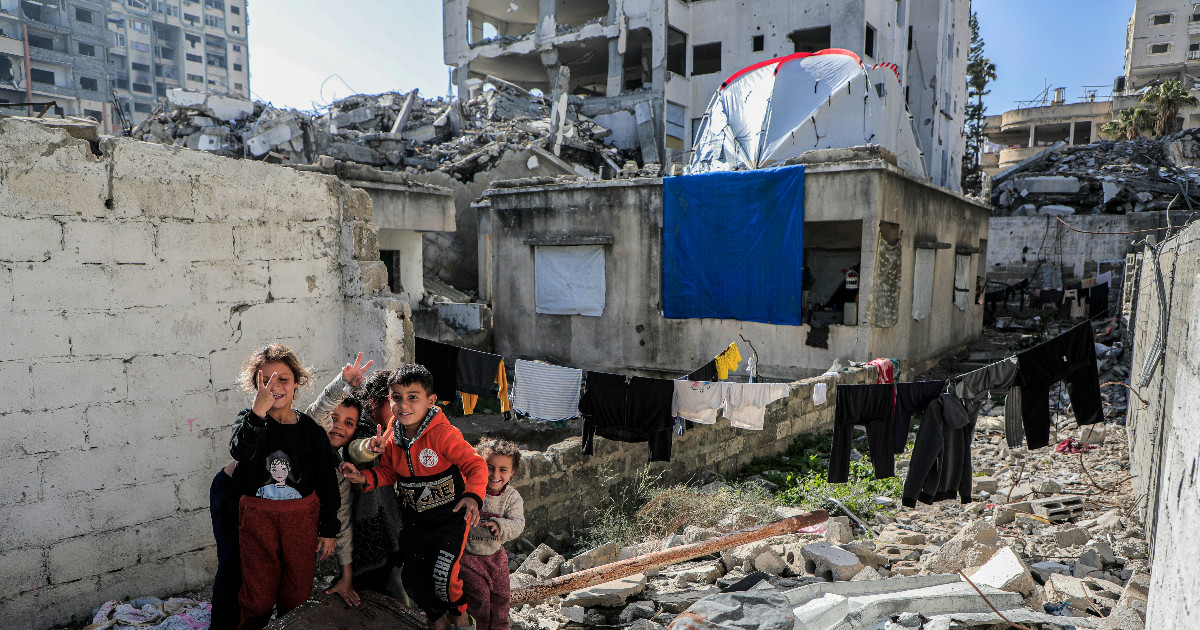
— Gaza photo and video journalists were named joint recipients of the 2026 Golden Pen of Freedom for reporting under extreme danger and limited access.
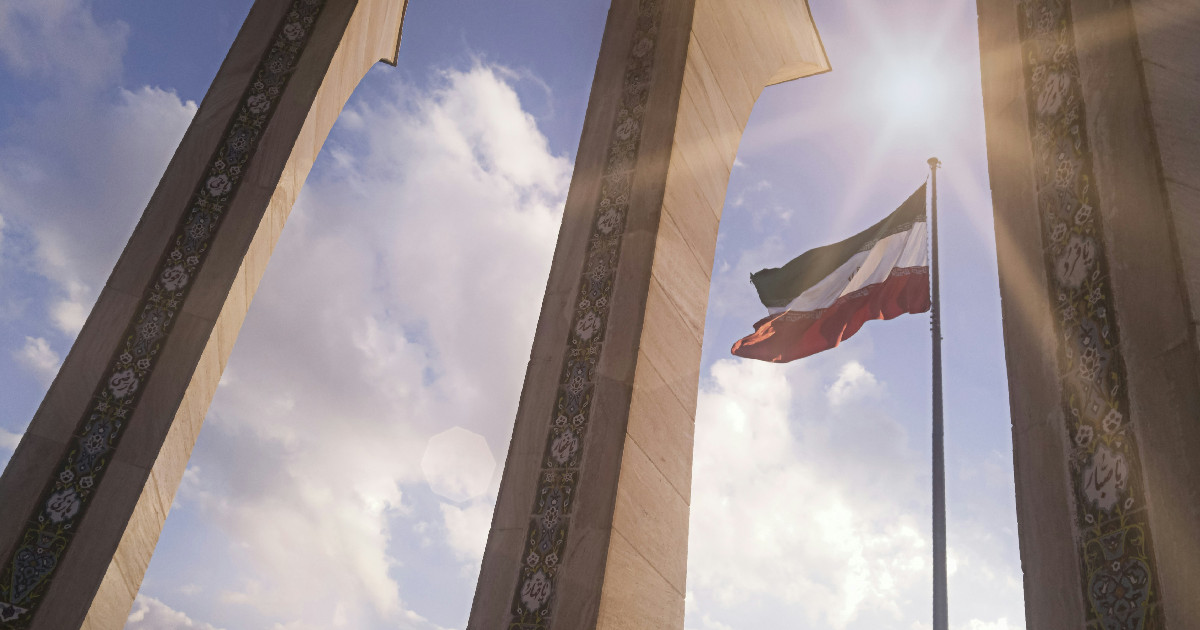
— Iran imposed rules restricting local media partners from redistributing material to foreign Persian broadcasters such as BBC Persian and Iran International.
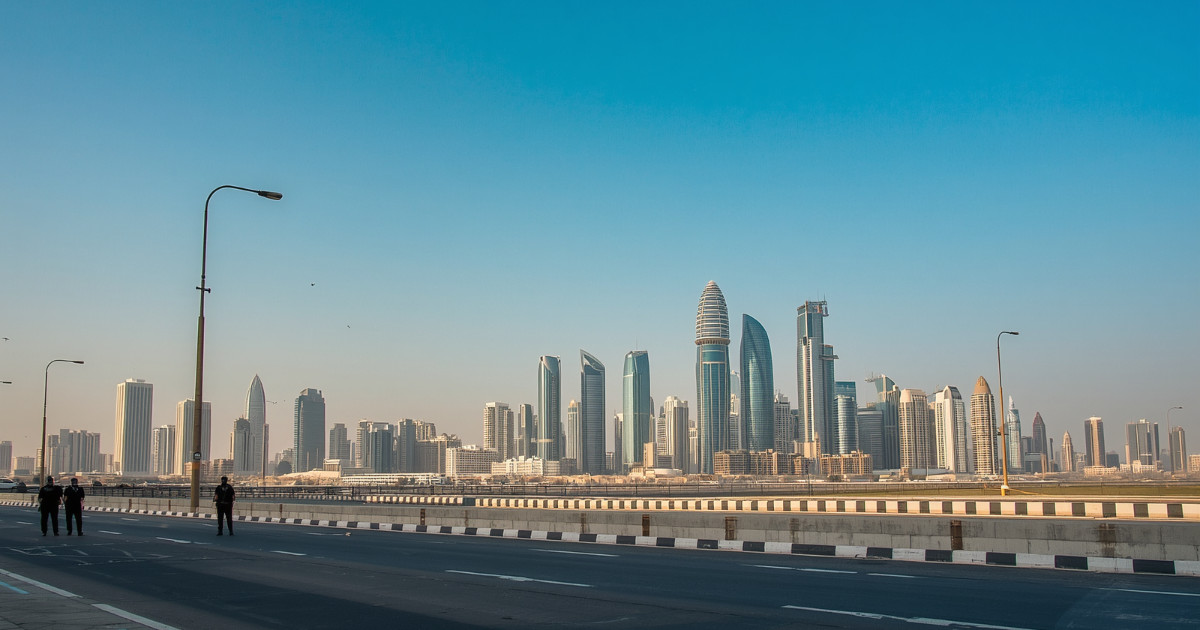
— Bahrain detained 41 people accused of links to Iran's IRGC in a sweep rights groups say tightens media controls and escalates pressure on journalists amid unrest.
See more
— New Pentagon rules requiring official escorts for reporters in some areas have drawn criticism from press groups and major news organizations over transparency.
— Governments are tightening controls on foreign journalists with visa limits, accreditation hurdles, expulsions and surveillance, citing security and public order.
— China condemned US restrictions on a Xinhua reporter as political suppression, accusing Washington of unfair treatment of Chinese media personnel in the US.
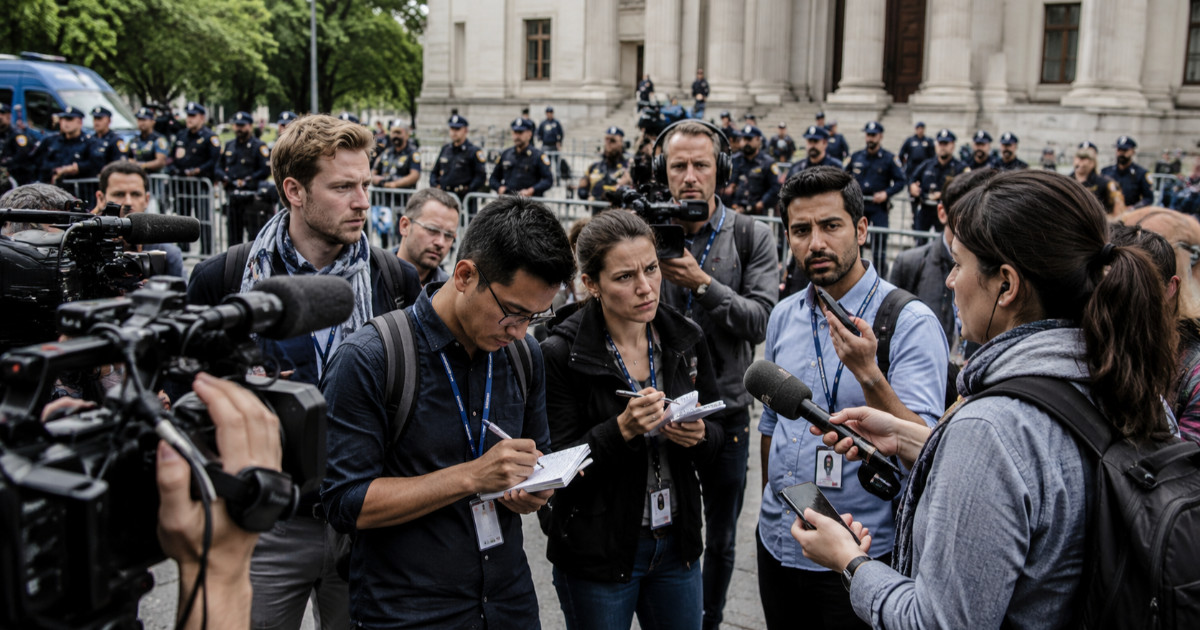
— May 2026 saw five warning signs for global journalism - arrests, media restrictions, newsroom layoffs, legal pressures, and AI disruption threatening press freedom and sustainability.
Explore further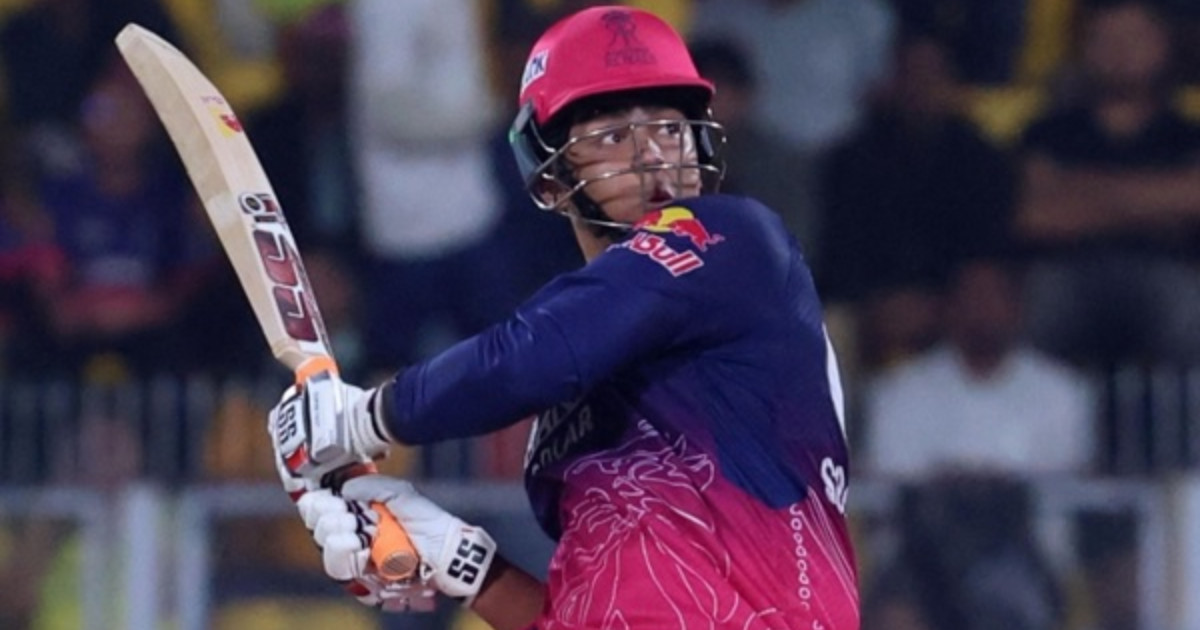
— Vaibhav Sooryavanshi, 15, from Samastipur, Bihar, is a cricket prodigy whose rare talent and relentless practice are redefining how the game is played.
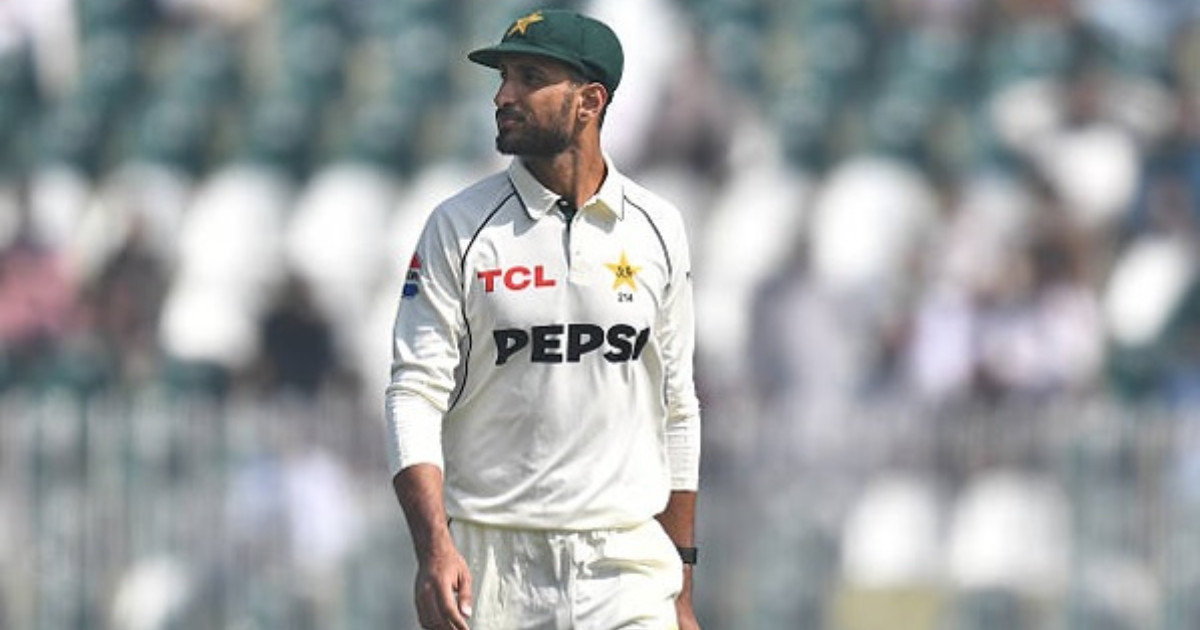
— Pakistan cricket's decline is a self-inflicted collapse driven by nostalgia, nepotism and poor governance, reducing a once-feared side to a pale shadow.
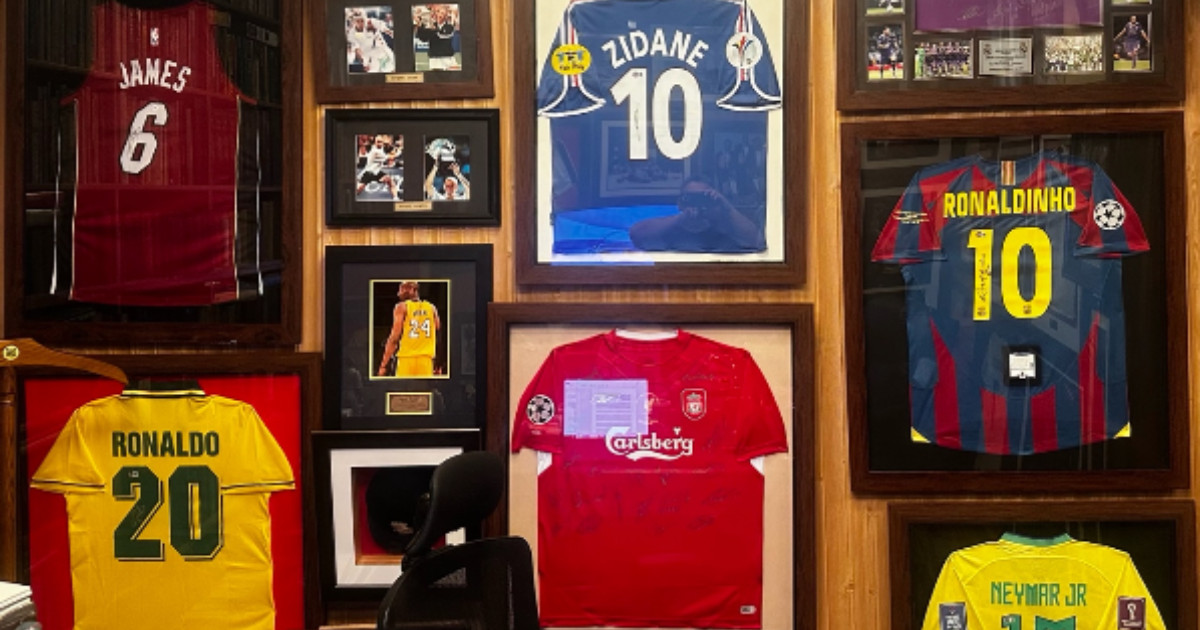
— Dr. Nauman Niaz has curated a private sports museum in Rawalpindi that houses cricket and multi-sport artifacts, preserving athletic history and memory for visitors.

— Dr. Nauman Niaz revisits Pakistan's cricket legacy in two newly launched books, exploring archival commentary, personal memories and the sport's cultural history.
More stories
— News publishers say X's algorithm changes and a shift toward native content have sharply reduced referral traffic and visibility for external links to news websites.
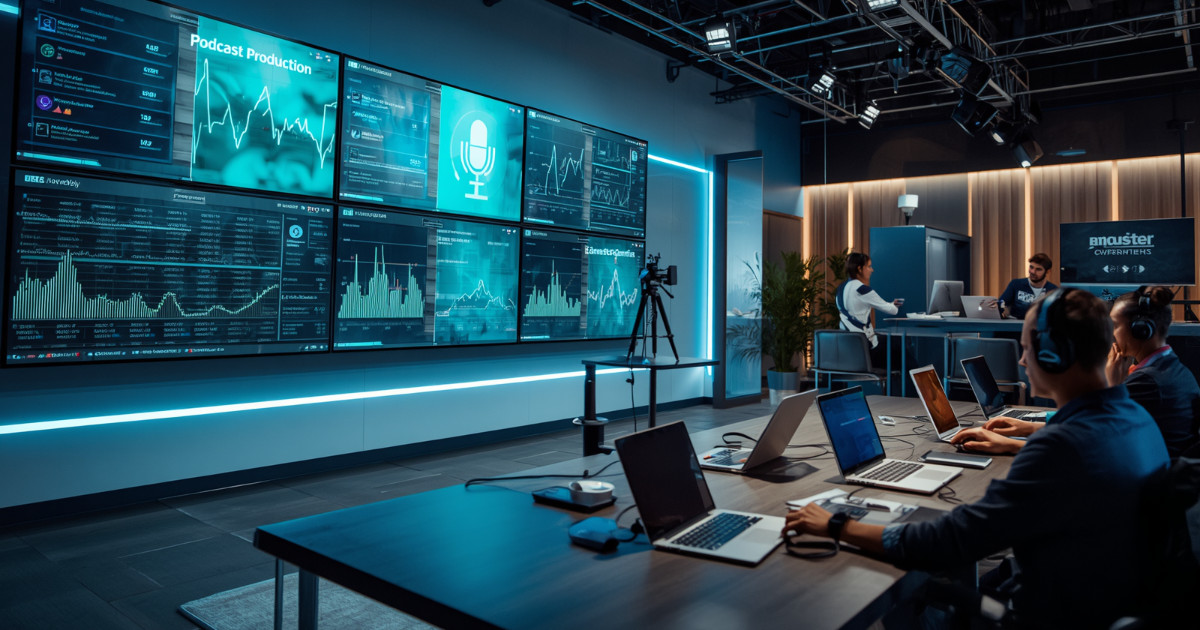
— James Murdoch's Lupa Systems acquired New York magazine and Vox Media's podcast and digital assets for over $300 million, deepening consolidation in media.

— Starting a news portal in Pakistan in 2026 can cost from hundreds of thousands to tens of millions of rupees, driven by hosting, staffing and video costs.
— Australia advanced a News Bargaining Incentive to push major tech platforms like Google and Facebook to fund journalism and help sustain local news.
Dive deeper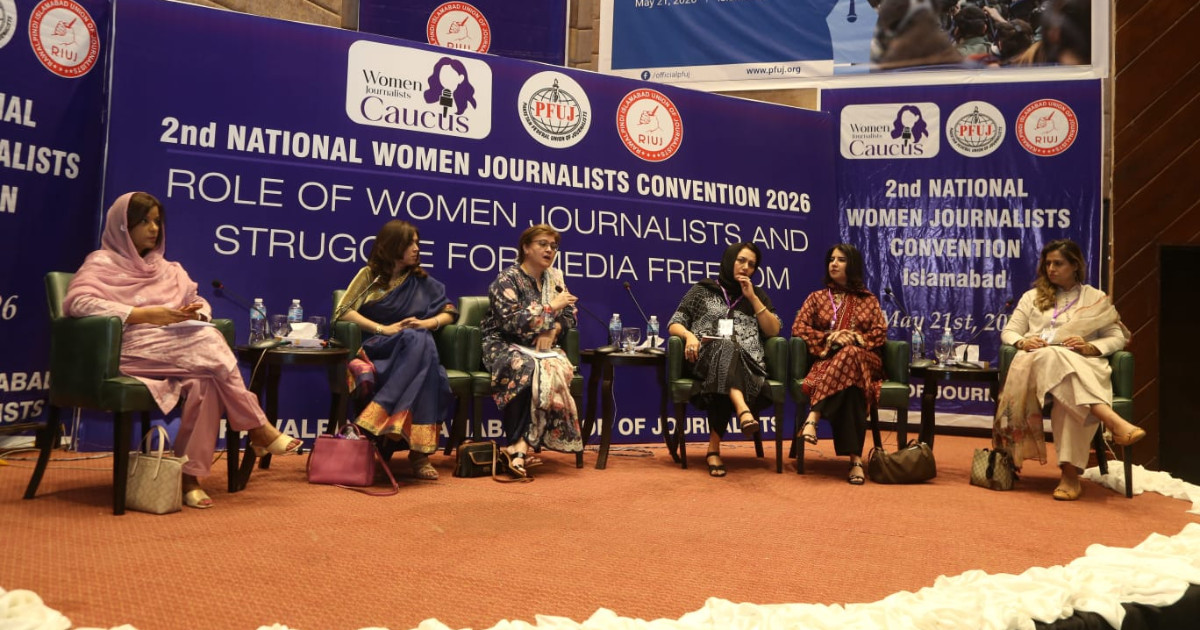
— Pakistan should strengthen laws and newsroom policies, boost digital security, and create complaint cells to protect women journalists from harassment.
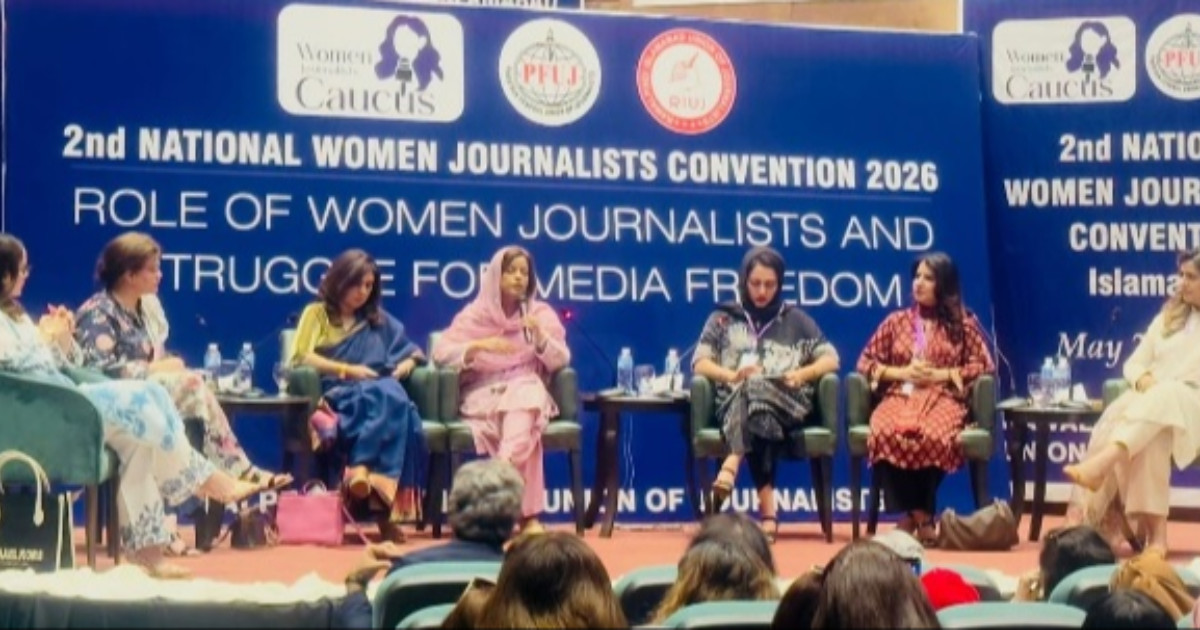
— Women journalists at a convention in Islamabad launched the Razia Bhatti Award to honor Pakistani women reporters and highlighted workplace discrimination and online harassment.

— IWMF honored Elaheh and Elnaz Mohammadi, Nay Min Ni, Frenchie Mae Cumpio and Georgia Fort as winners of the 2026 Courage in Journalism Awards.
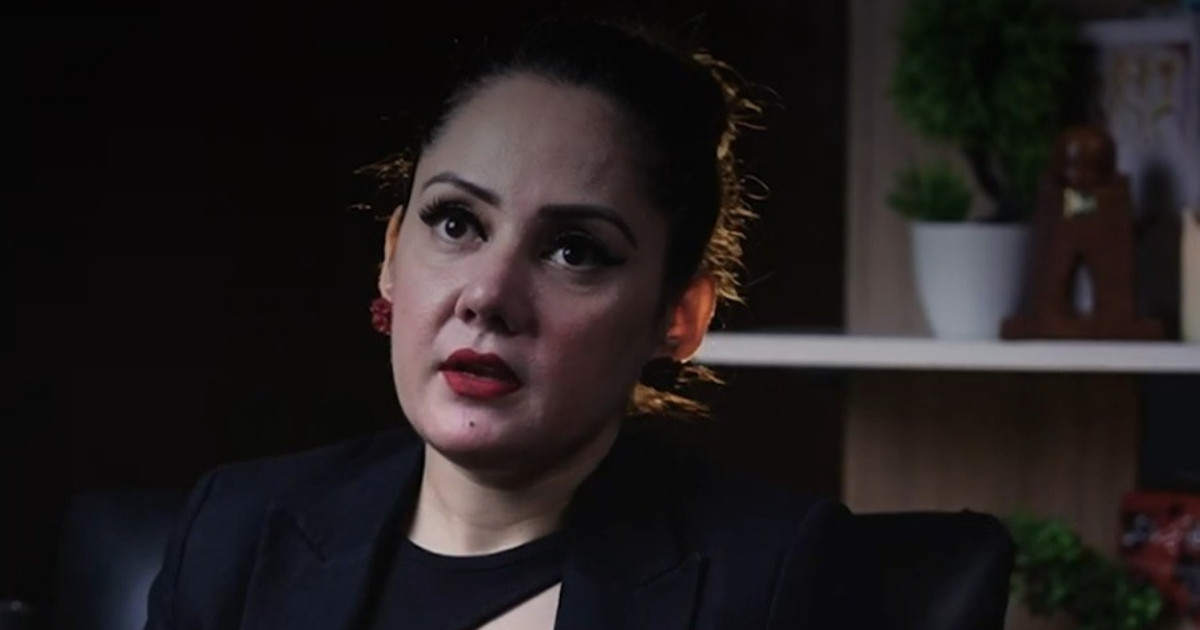
— Authorities arrested suspects and opened cases after Gharidah Farooqi complained of coordinated gender-based online harassment; the cybercrime agency preserved evidence.
View more content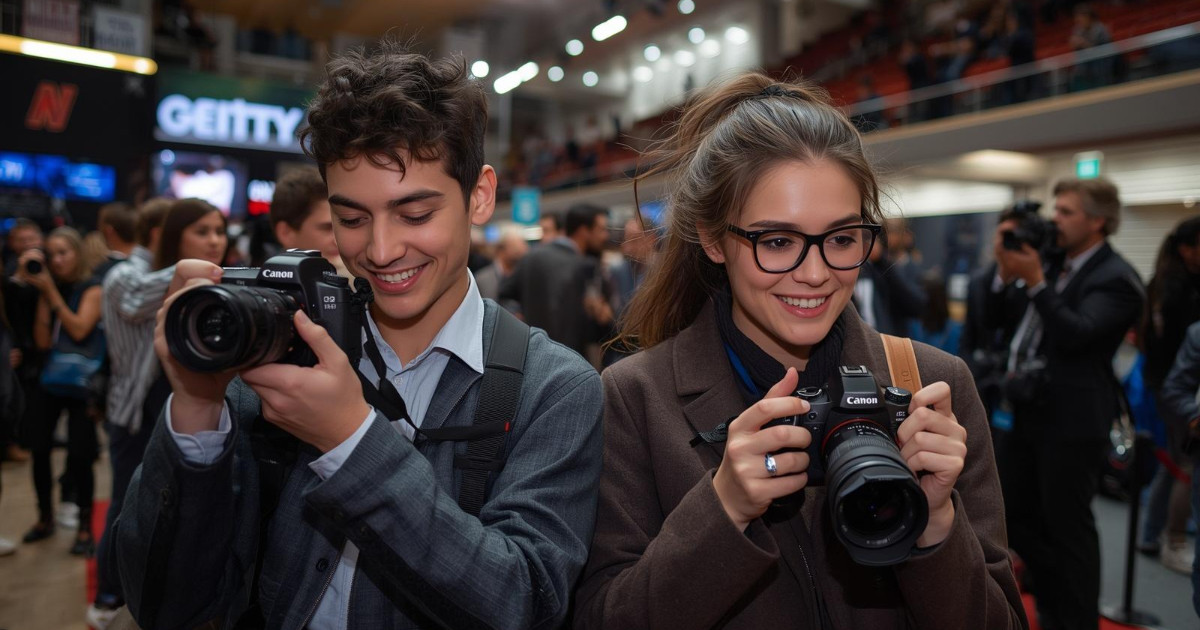
— Getty Images launches its 2026 Editorial Photography Internship, offering three paid roles in news, sport, and entertainment in Washington, New York, and Los Angeles.
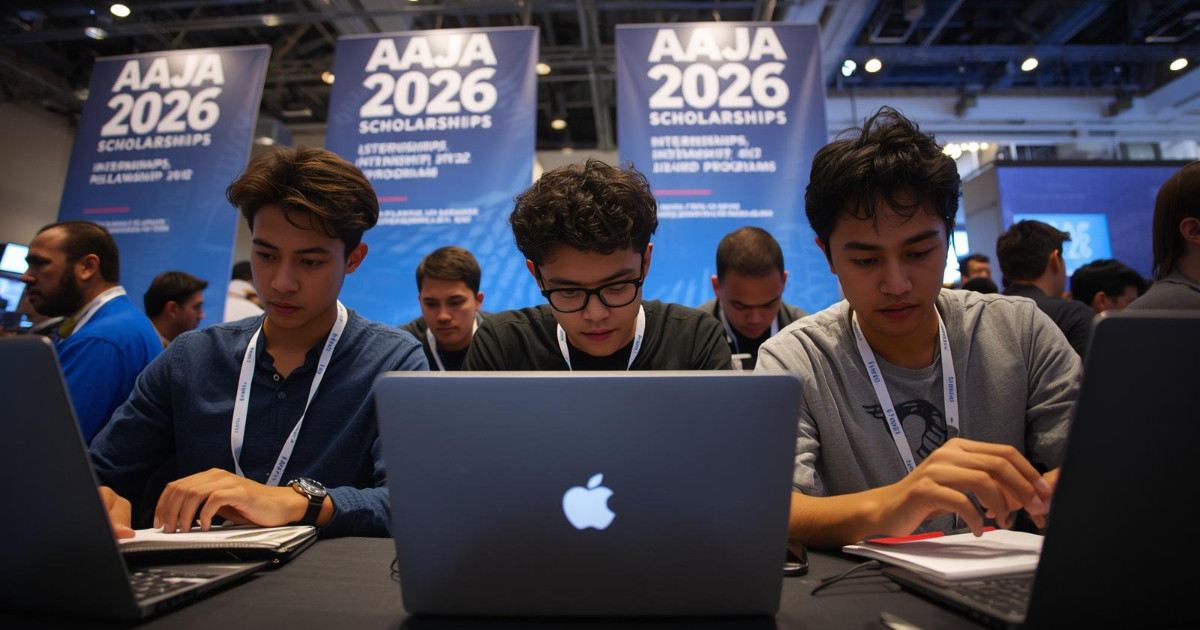
— AAJA has opened applications for its 2026 scholarships, internships, grants and fellowships to support emerging and mid-career journalists in the U.S.
— NYU Stern's Climate Economics Journalism Fellowship is accepting applications for a fully funded short program in New York City on climate finance and economics.
— Asia News Network has launched a fellowship for early-career journalists in Indonesia and Malaysia to bolster regional reporting through mentorship, training and collaborative cross-border projects on climate, migration and digital change.
See more