

French court upholds publisher protections against Meta
JournalismPakistan.com | Published: 29 October 2026 | JP Global Monitoring
Join our WhatsApp channel
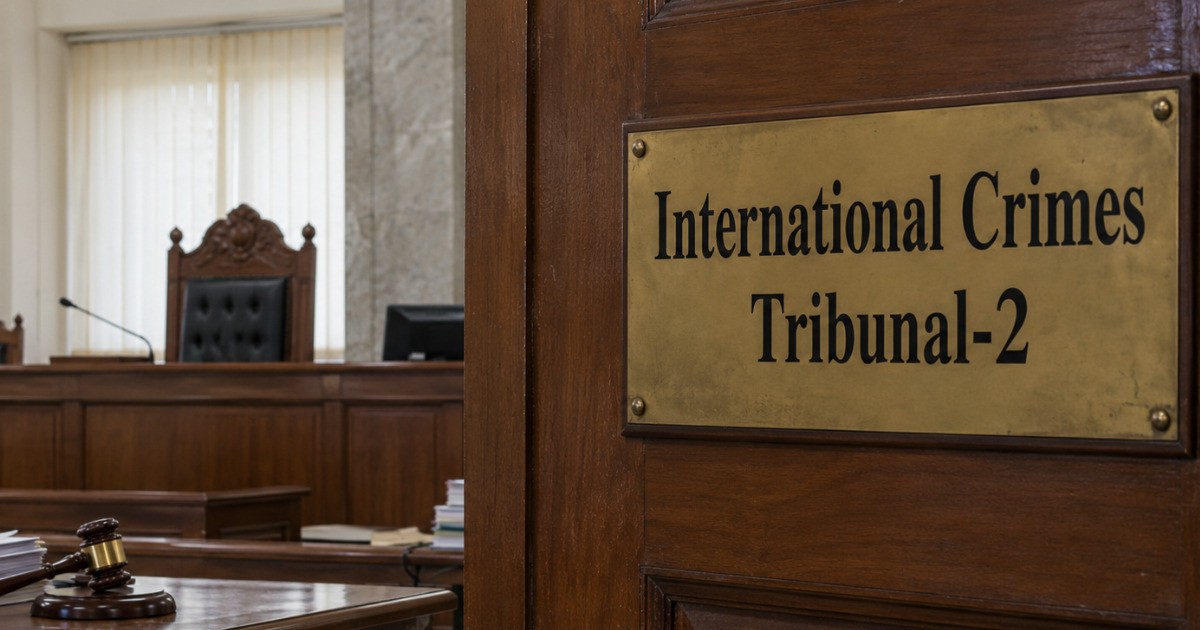
The Paris Court of Appeals on Oct. 29 rejected Meta's challenges to interim measures from France's competition authority, preserving requirements that Meta negotiate in good faith with publishers, disclose use and revenue data for protected journalistic content, and avoid downgrading publishers' material during talks.Summary
PARIS — A French appeals court has rejected Meta's challenges to two competition authority orders protecting news publishers' rights, keeping in place requirements for the technology company to negotiate payment for journalistic content and disclose information needed to assess its value.
The Paris Court of Appeals delivered its rulings on Thursday, October 29, upholding interim measures issued by France's competition authority in July. The court found that Meta's methods for determining payments under publishers' neighboring rights could constitute an abuse of a dominant market position under French and European competition law.
Court maintains safeguards for publishers
The measures require Meta to negotiate in good faith with French press organizations, provide information about the use of protected journalistic content and relevant platform revenues, and refrain from degrading how participating publishers' material is displayed during negotiations.
The orders were issued on July 8 by the Autorité de la concurrence following complaints from the Société des Droits Voisins de la Presse (DVP) and the Alliance de la Presse d'Information Générale (APIG), which represent French publishers and news agencies. Both organizations challenged Meta's approach to determining compensation for the use of their content on its digital services.
Dispute centers on payment transparency
The publishers argued that Meta sought to impose its own method of calculating compensation while withholding information they needed to evaluate the offers. The competition authority concluded that the alleged practices could amount to an abuse of dominance and cause serious and immediate harm to the press sector.
Meta challenged the interim decisions in August. However, the appeals did not suspend their enforcement, meaning the company remained subject to the requirements while the court reviewed its objections. Thursday's rulings leave those safeguards intact as the competition authority continues investigating the underlying dispute.
Meta disputes competition authority findings
Meta has disputed the regulator's assessment, arguing that it made genuine efforts to reach agreements with the publishers. In a September 16 statement, the company said it had offered temporary arrangements intended to maintain payments while negotiations continued, but those proposals were rejected by the press organizations.
Following Thursday's ruling, a Meta spokesperson told Reuters that the company was disappointed with the decision and was considering its next steps. However, Meta said it would continue complying with the interim measures and negotiating in good faith with the publishers.
European law strengthens publishers' bargaining rights
The dispute arises from European Union legislation adopted in 2019 that recognizes neighboring rights for press publishers and news agencies. These rights allow publishers to authorize certain digital uses of their journalistic content and seek compensation from online platforms that reproduce it.
France incorporated the legislation into national law in July 2019. Meta subsequently reached payment agreements with French press organizations, but the arrangements covering DVP and APIG members expired at the end of 2024 and in January 2025, respectively. Negotiations over new agreements failed to produce a settlement, leaving participating publishers without remuneration for the subsequent periods covered by the dispute.
The disagreement concerns more than the amount publishers should receive. It also involves which uses of journalistic content qualify for payment, which Meta services should be included and whether publishers have access to sufficient financial information to negotiate effectively.
Final competition ruling remains pending
The appeals court's decision does not establish that Meta has definitively violated competition law. The French competition authority must still complete its investigation and decide whether the company's conduct constituted an infringement.
For news organizations, however, the ruling preserves important negotiating safeguards. Publishers can continue demanding information needed to evaluate compensation proposals while remaining protected against unfavorable changes to how their content is displayed during negotiations.
The case also carries wider significance for the relationship between journalism and digital platforms. It illustrates how competition law and intellectual property protections are increasingly being used together to address disputes over the commercial value of news content.
Although the ruling applies to the French proceedings, its treatment of transparency and negotiating practices could be closely watched by publishers and regulators elsewhere in Europe as they confront similar questions about the use and remuneration of journalism on digital platforms.
ATTRIBUTION:Based on Reuters reporting published October 29, 2026, the French Competition Authority's decisions of July 8, 2026, and the European Commission's Intellectual Property Helpdesk analysis of July 21, 2026. Meta's position is also drawn from its public statement of September 16, 2026.
PHOTO:AI-generated; for illustrative purposes only.
Key Points
- The Paris Court of Appeals upheld interim measures issued by France's competition authority.
- Meta must negotiate in good faith with French press organizations over payments for journalistic content.
- Meta is required to provide information on use of protected content and relevant platform revenues.
- The company must refrain from degrading how participating publishers' material is displayed during negotiations.
- The court found Meta's payment methods could amount to abuse of a dominant market position under competition law.
Key Questions & Answers
What did the Paris Court of Appeals decide?
The court rejected Meta's challenges and upheld interim measures that protect publishers' rights, keeping requirements for negotiation, disclosure and non-degradation of publisher content in place.
What do the interim measures require of Meta?
Meta must negotiate in good faith with publishers, provide information about use of protected journalistic content and relevant revenues, and avoid degrading how publishers' material is shown during negotiations.
Who brought the complaints that led to the orders?
The orders followed complaints from the Société des Droits Voisins de la Presse (DVP) and the Alliance de la Presse d'Information Générale (APIG), representing French publishers and news agencies.
Why did the court express competition concerns?
The court found that Meta's methods for determining payments could constitute an abuse of a dominant market position under French and EU competition law, warranting safeguards for publishers.
Ask AI: Understand this story your way
AI EnabledDig deeper, ask anything — get instant context, background, and clarity.
Disclaimer: This feature is powered by AI and is intended to help readers explore and understand news stories more easily. While we strive for accuracy, AI-generated responses may occasionally be incomplete or reflect limitations in the underlying model. This feature does not represent the editorial views of JournalismPakistan. For our full, verified reporting, please refer to the original article.